Development Theories
Four developmental theorists, four competing lenses. All produce stages - neat packages that the MCAT loves to test. Match the theorist to the vocabulary and you win most of these questions.
Freud’s Psychosexual Stages
Freud proposed that libido (psychic energy) focuses on different erogenous zones at different ages. Failure to resolve conflicts at a stage leads to fixation - persistent personality issues related to that stage.
- Oral (0-1). Mouth. Infant focuses on feeding. Fixation → dependency, smoking, overeating.
- Anal (1-3). Bowel/bladder control. Fixation → “anal retentive” (rigid, stingy) or “anal expulsive” (messy, disorganized).
- Phallic (3-6). Genitals. Oedipus complex (boys) or Electra complex (girls). Child unconsciously desires opposite-sex parent, fears same-sex parent’s retaliation. Resolved by identification with same-sex parent.
- Latency (6-12). Sexual feelings dormant. Child focuses on peer friendships, school, hobbies.
- Genital (12+). Puberty onward. Mature sexual interests.
Most modern psychology has rejected this framework, but the vocabulary remains testable.
Erikson’s Psychosocial Stages
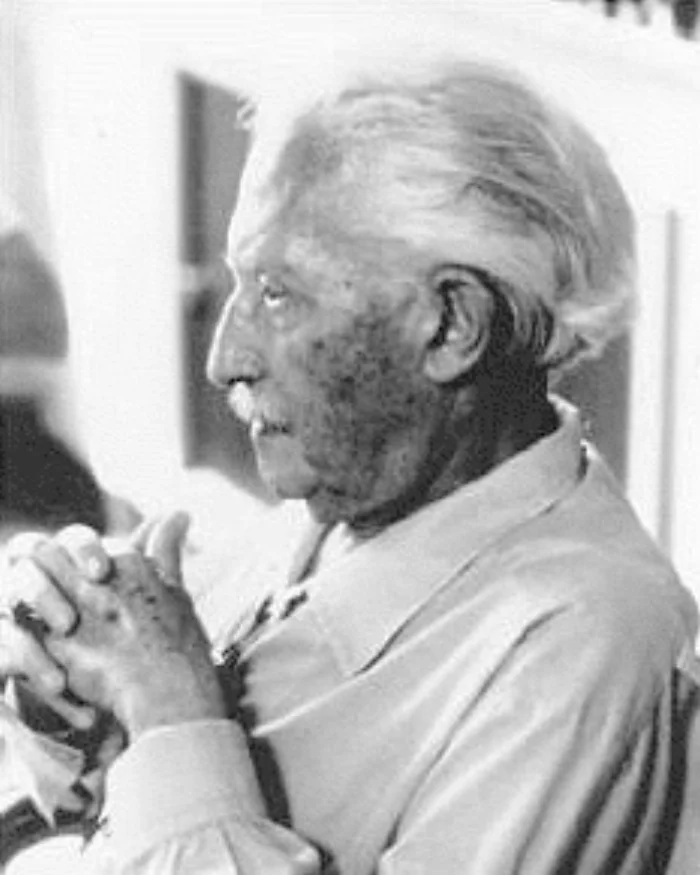
Erik Erikson modified Freud into eight psychosocial stages spanning the entire life. Each stage is a crisis between two poles. Successful resolution produces a virtue; failure produces difficulty.
- Trust vs. Mistrust (0-1). Infant learns to trust caregivers (or doesn’t). Virtue: hope.
- Autonomy vs. Shame and Doubt (1-3). Toddler explores independence. Virtue: will.
- Initiative vs. Guilt (3-6). Preschooler asserts power and control. Virtue: purpose.
- Industry vs. Inferiority (6-12). School-age child develops competence. Virtue: competence.
- Identity vs. Role Confusion (12-18). Adolescent develops a coherent identity. Virtue: fidelity.
- Intimacy vs. Isolation (young adult). Forming close relationships. Virtue: love.
- Generativity vs. Stagnation (middle age). Contributing to the next generation. Virtue: care.
- Integrity vs. Despair (old age). Reflecting on a life well-lived. Virtue: wisdom.
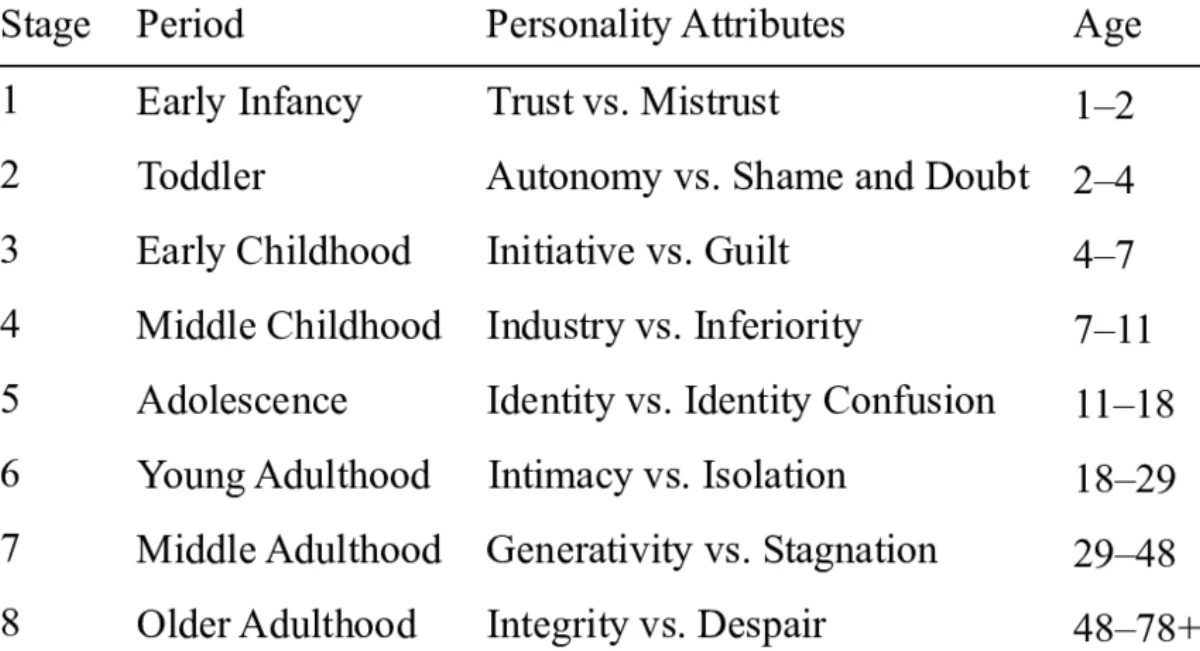
Mnemonic for Erikson: “Trust Autonomy Initiative Industry Identity Intimacy Generativity Integrity.”
Vygotsky’s Sociocultural Theory
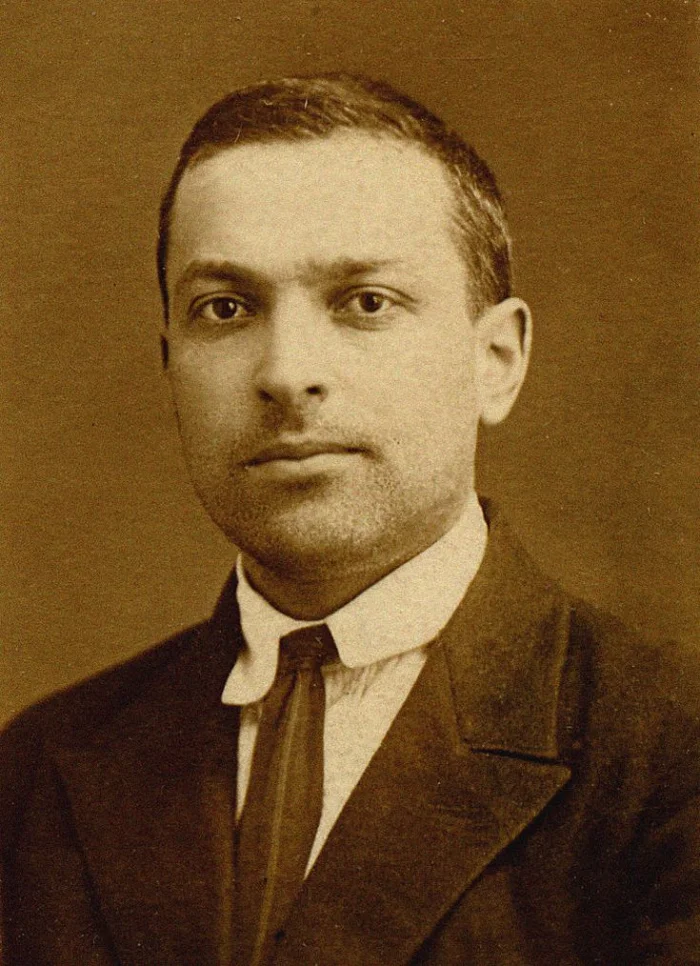
Lev Vygotsky argued that cognitive development is fundamentally social and cultural. Children learn through interactions with more knowledgeable others (parents, teachers, older children), internalizing the social tools (language, mathematical notation, cultural practices) that their society provides.
Zone of Proximal Development (ZPD)
The gap between what a child can do alone and what they can do with help. Learning happens in this zone - tasks just beyond current ability but within reach with guidance.
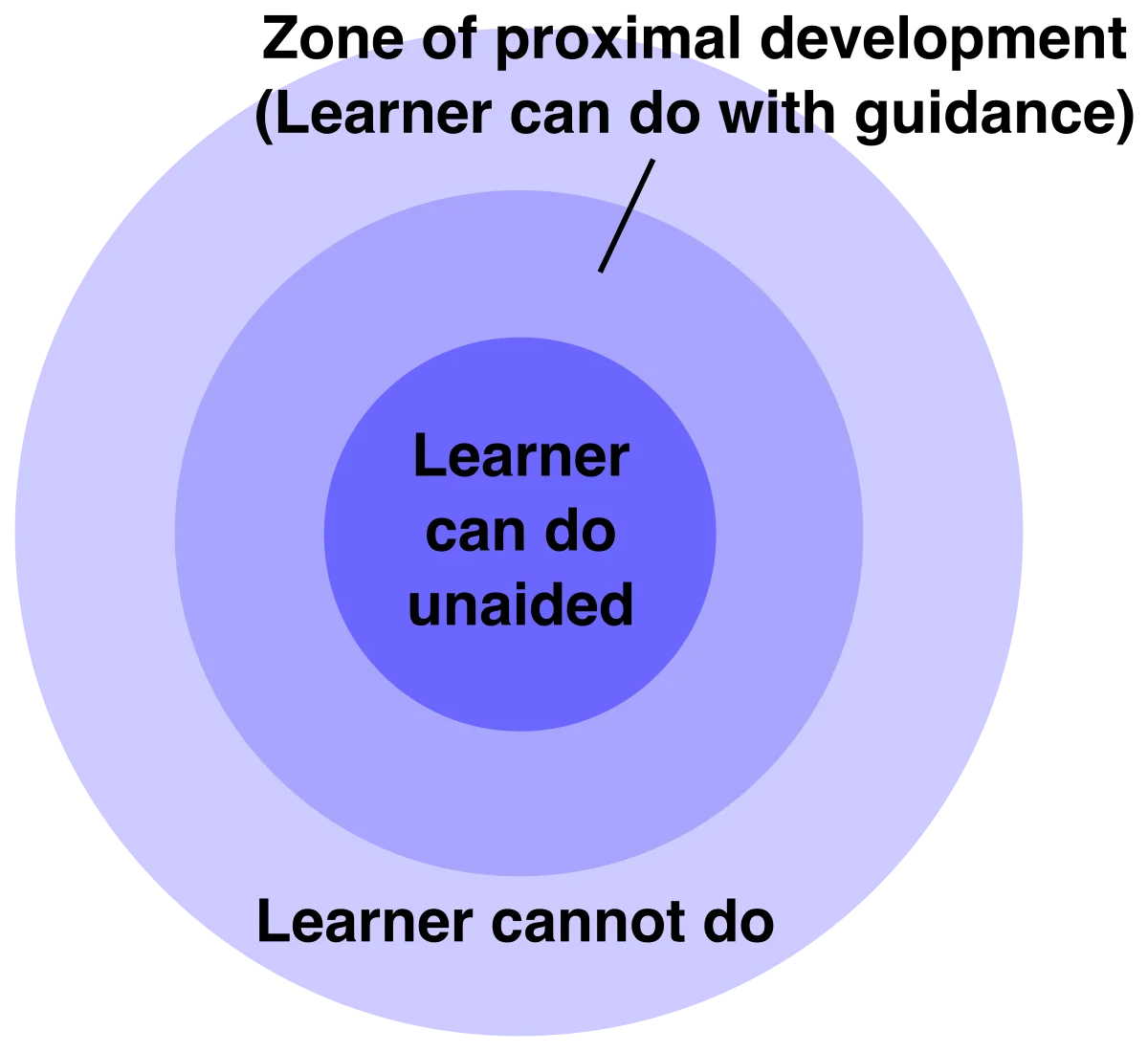
Scaffolding
The support a more knowledgeable other provides to help a learner complete a task just beyond their current ability. The scaffolding is withdrawn as the learner’s competence grows - like training wheels.
Private Speech
Children’s tendency to talk to themselves (out loud) while working through problems. Vygotsky saw this as cognitive development happening in real time - the child is internalizing language as a tool for thought. Eventually private speech becomes silent “inner speech” - the verbal thinking of adults.
Vygotsky’s theory contrasts with Piaget’s: Piaget saw development as largely self-driven discovery; Vygotsky insisted it was fundamentally social.
Kohlberg’s Moral Development
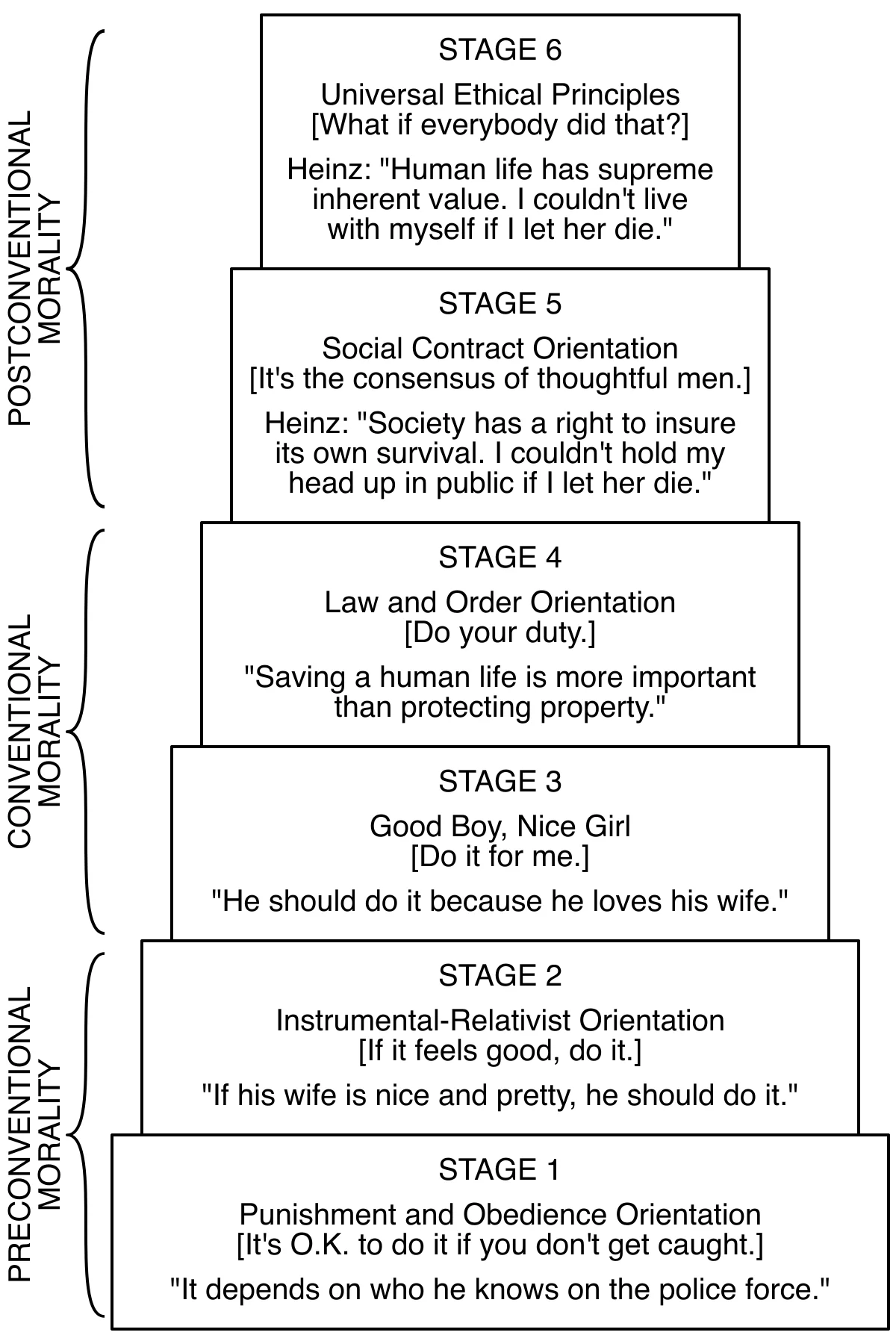
Lawrence Kohlberg used moral dilemmas (classic: the Heinz dilemma - should a man steal a drug to save his dying wife?) to map moral reasoning. Three levels, each with two stages.
Level 1: Preconventional Morality (children)
Decisions based on personal consequences.
- Stage 1: Obedience and punishment. “Don’t steal because you’ll get in trouble.”
- Stage 2: Self-interest / instrumental. “Steal if it benefits you, don’t if it doesn’t.”
Level 2: Conventional Morality (adolescents and most adults)
Decisions based on social approval and maintaining order.
- Stage 3: Good boy / good girl. “Don’t steal because people will think you’re a bad person.”
- Stage 4: Law and order. “Don’t steal because stealing breaks the law, and laws must be followed.”
Level 3: Postconventional Morality (some adults)
Decisions based on abstract ethical principles that can override social convention.
- Stage 5: Social contract. “Laws are agreements that should be changed if they don’t serve the public good.”
- Stage 6: Universal ethical principles. “Don’t steal because stealing violates a deeper ethical principle - but if the principle at stake is saving a life, stealing may be morally required.” Martin Luther King Jr.’s civil disobedience argument.
Not everyone reaches Level 3. Carol Gilligan critiqued Kohlberg for male-biased reasoning, arguing that women’s moral reasoning often emphasizes an ethic of care rather than abstract justice. Modern research acknowledges both voices.