
Aggression and Altruism
Why do people sometimes harm others, and other times help strangers at great cost to themselves? These two behaviors sit at the moral extremes of social life, and both have evolutionary, biological, and social explanations.
Aggression
Aggression is behavior intended to harm another. Two main types:
- Instrumental aggression. Used as a means to an end. A soldier in combat. A mugger taking a wallet. Aggression here is strategic, not primarily emotional.
- Hostile aggression. Driven by anger, intended to cause harm for its own sake. A jealous rage. A fight between rival fans.
Biological Contributions
- Amygdala. Stimulation produces aggression; bilateral damage can produce placidity (Kluver-Bucy).
- Testosterone. Correlates positively with aggressive behavior in many species including humans, though the causal direction is complicated.
- Serotonin. Low levels linked to impulsive aggression.
- Genetic factors. Heritability estimates for aggression range from 40-60%.
- Alcohol. Disinhibits prefrontal control, often amplifying aggression.
Frustration-Aggression Hypothesis
Dollard and colleagues: frustration - blockage of a goal - produces aggression. Later refined by Berkowitz to say that frustration produces anger, which makes aggression more likely when aggressive cues are present (a weapon in the environment, a provocative target).
The weapons effect shows that merely seeing a weapon in the environment can increase aggressive responses.
Social Learning of Aggression
Bandura’s Bobo doll studies (Chapter 3): children learn aggression by observing aggressive models. Violent media, family violence, and peer aggression all increase the risk that children will display aggressive behavior themselves.

Cultural Factors
- Cultures of honor - places where personal honor must be defended through aggression, often linked to historic economic conditions (herding societies).
- Socioeconomic factors. Poverty, inequality, and lack of opportunity correlate with aggression rates.
- Gun availability substantially amplifies aggression’s lethality.
Altruism
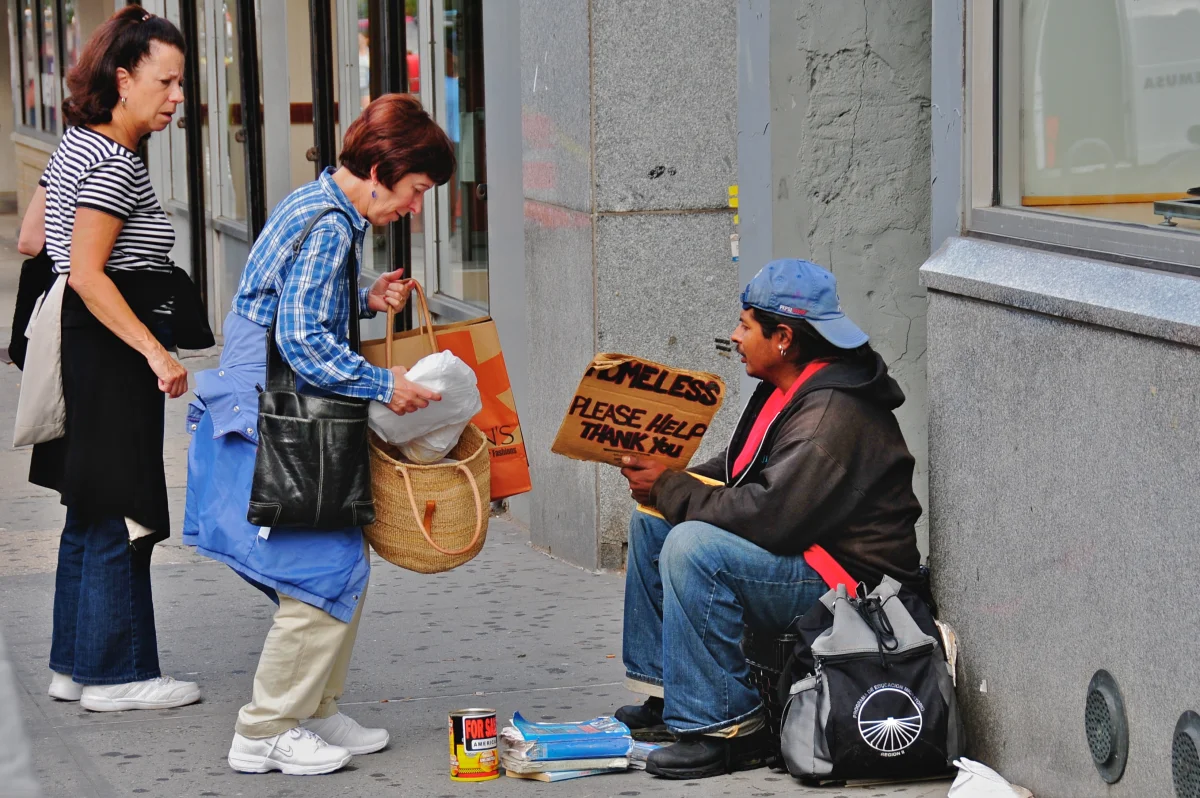
Altruism is behavior intended to help another without obvious self-benefit, sometimes at personal cost. A stranger running into a burning building to rescue a child. Donating anonymously to charity. Sharing food when you’re hungry.
Empathy-Altruism Hypothesis
Daniel Batson: when we feel empathy for someone in need, we help for genuinely altruistic reasons (to relieve their suffering, not ours). In his experiments, high-empathy subjects helped even when easy escape was available; low-empathy subjects helped mainly to avoid personal distress.
Critics argue that even “altruistic” helping has self-rewarding elements (feeling virtuous), but Batson’s work suggests empathy-driven helping is closer to pure altruism than self-interest.
Evolutionary Accounts
Pure altruism is an evolutionary puzzle - why help others at your own expense? Several mechanisms:
Kin Selection and Inclusive Fitness
Kin selection (Hamilton): you can promote your genes by helping relatives who share those genes. The closer the genetic relation, the more you should sacrifice. Inclusive fitness is an organism’s reproductive success plus the reproductive success of its relatives, weighted by genetic relatedness.
Hamilton’s rule: altruism is favored when rB > C, where r is the coefficient of relatedness, B is the benefit to the recipient, and C is the cost to the helper. You should be more willing to sacrifice for a sibling (r = 0.5) than a cousin (r = 0.125).
Reciprocal Altruism
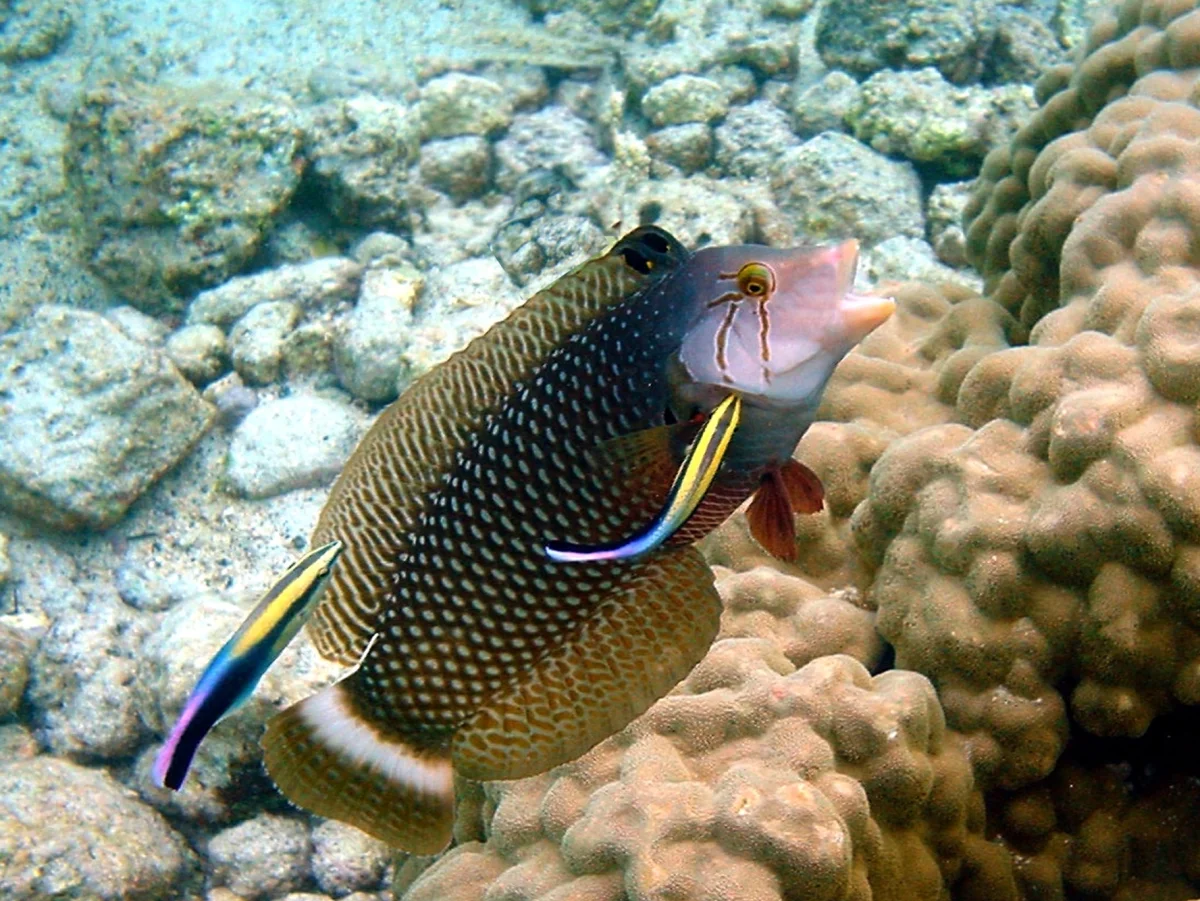
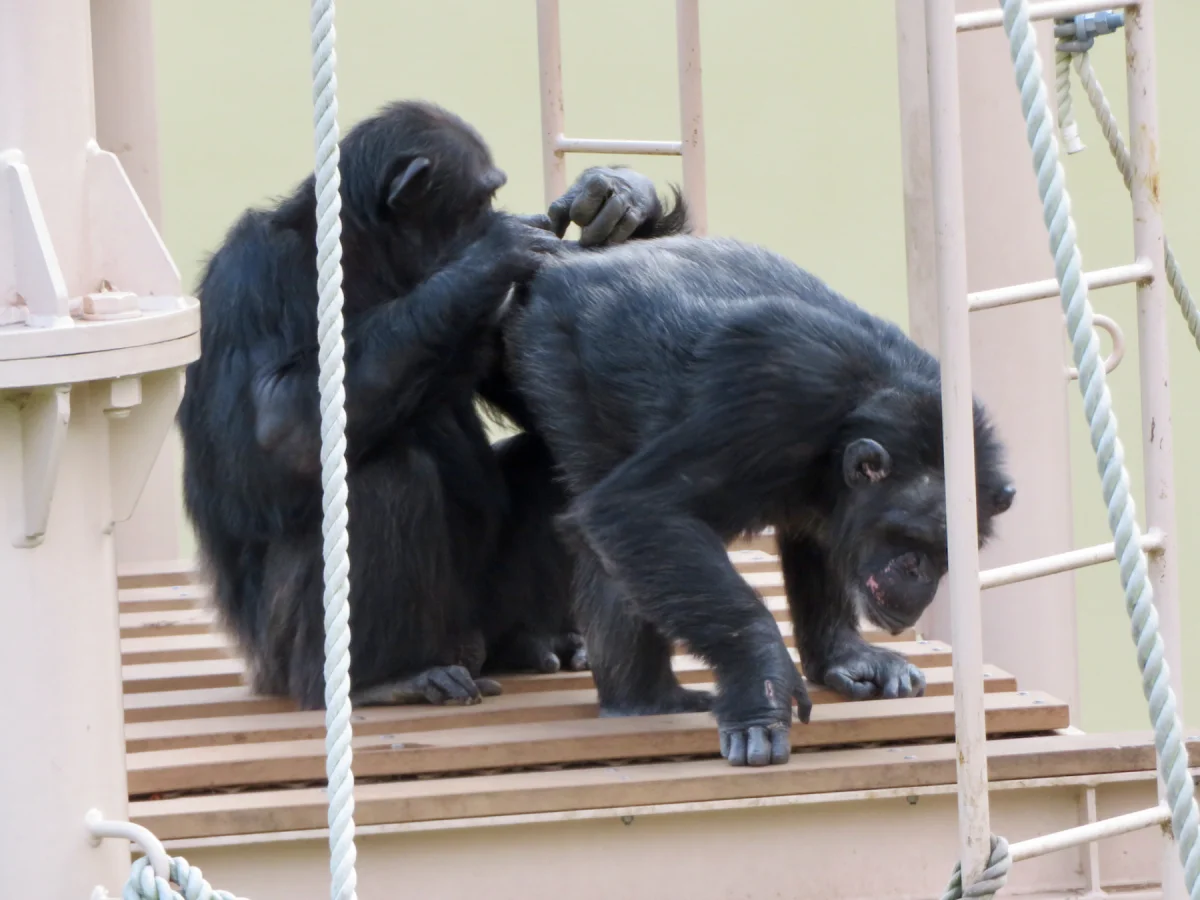
Trivers: “I help you now, you help me later.” Works among non-relatives in stable social groups where reputation is tracked and cheaters can be punished. Drives much of cooperation in human societies.

Group Selection
More controversial - altruism might be favored if it benefits the group’s survival, even at cost to the individual. Most biologists think group selection is weak; kin selection and reciprocal altruism do most of the explanatory work.
Foraging Behavior (Game Theory)
Optimal foraging theory predicts that animals will forage in ways that maximize energy gained per unit time, given constraints. Evolutionary game theory extends this to interactions with others - cooperation, competition, and communication all emerge from strategic calculations about fitness.