
Attraction and Attachment
Why do some people become close and others drift apart? Social psychology has identified a handful of factors that reliably predict attraction, and a classic body of attachment research that shows how early bonds shape later relationships.
Factors That Promote Attraction
Proximity and the Mere Exposure Effect
Proximity - people who are physically near each other are more likely to become friends and romantic partners. Classic finding: residents of a dorm building are most friendly with neighbors within 20 feet of their door.
Why does proximity work? The mere exposure effect (Zajonc) - repeated exposure to a stimulus increases our liking for it. We come to prefer faces, music, and environments simply because we’ve seen them often. Proximity creates repeated exposure, which breeds liking.
The mere exposure effect operates below conscious awareness and applies to strangers’ faces, meaningless symbols, and nonsense words alike.
Physical Attraction
Physical attractiveness predicts liking, especially at first meeting. Features consistently associated with attractiveness across cultures include facial symmetry, averageness (features close to the population mean), and markers of youth and health.
Physical attraction feeds into the halo effect from Chapter 7 - attractive people are rated as kinder, smarter, and more trustworthy.
Similarity
“Opposites attract” is mostly myth. In reality, similarity predicts attraction far more strongly - similarity in values, attitudes, education, background, and even physical appearance. Couples who resemble each other on personality and attitudes tend to be more stable over time.
Reciprocal Liking
We like people who like us. Awareness that someone likes you increases your liking for them, creating a positive feedback loop.
Self-Disclosure
Progressively revealing personal information builds intimacy. Reciprocal self-disclosure at similar levels is a major driver of relationship growth.
Harlow’s Monkey Experiments
Harry Harlow separated infant rhesus monkeys from their mothers and raised them with two surrogate “mothers”:
- A wire mother with a bottle (providing food).
- A terrycloth mother without food (providing comfort).
Behaviorists at the time predicted infants would prefer the wire mother who provided nourishment. Instead, infants spent most of their time clinging to the cloth mother, running to her when frightened and venturing out to explore only when she was present.
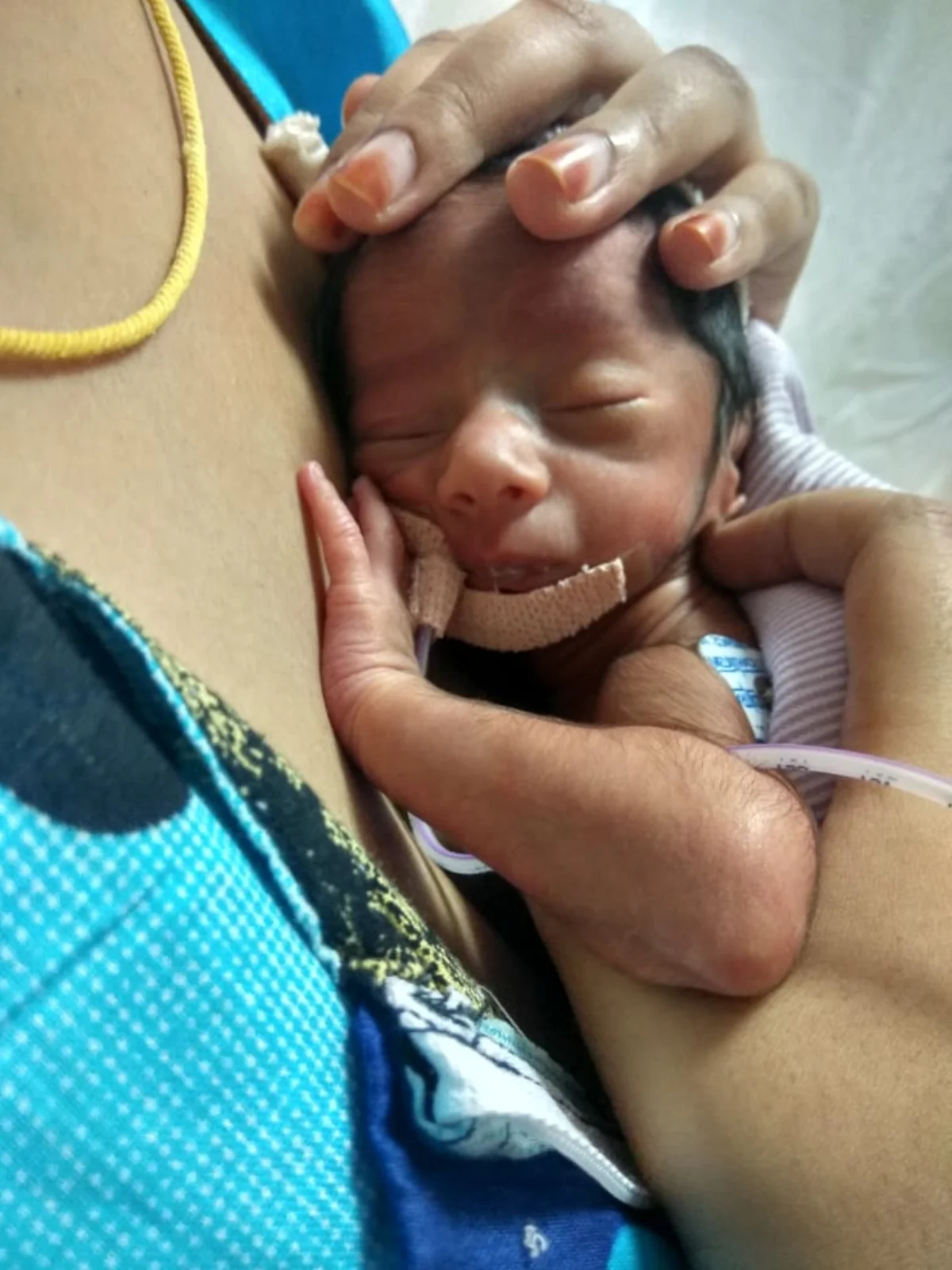
Harlow’s conclusion: attachment is driven by contact comfort, not just by meeting physiological needs. The research reshaped views of child development and influenced pediatric care (encouraging skin-to-skin contact, opposing rigid feeding schedules).


Ainsworth’s Strange Situation and Attachment Styles
Mary Ainsworth developed the Strange Situation procedure: a toddler is observed in a playroom with their caregiver. The caregiver leaves briefly and returns. The toddler’s behavior during separation and reunion reveals their attachment style.
Secure Attachment (~60-65%)
Distressed when the caregiver leaves, easily comforted on reunion. Uses the caregiver as a secure base from which to explore. Produced by responsive, sensitive caregiving. Predicts healthier adult relationships and emotional regulation.
Insecure-Avoidant Attachment (~15-20%)
Shows little distress when caregiver leaves, avoids contact on reunion. Appears emotionally independent but may be masking distress. Often follows caregiving that’s dismissive or unavailable in emotional moments.
Insecure-Anxious (Ambivalent/Resistant) Attachment (~10-15%)
Very distressed at separation, difficult to comfort on reunion - simultaneously clings and resists. Follows inconsistent caregiving where the parent is sometimes responsive, sometimes unavailable.
Disorganized Attachment (~5-10%)
Inconsistent, confused behavior - approaches the caregiver, then freezes or turns away. Associated with caregiving that is frightening or frightened, and sometimes with childhood trauma or abuse.
Attachment styles formed in infancy tend to persist into adulthood, shaping romantic relationship patterns. Secure adults form stable partnerships; anxious adults may cling and fear abandonment; avoidant adults may keep emotional distance.
Social Support
Social support - the perceived availability of care and assistance from others - buffers stress and improves health outcomes. Types:
- Emotional support - sympathy, listening, comfort.
- Instrumental support - practical help (rides, money, childcare).
- Informational support - advice, guidance.
- Appraisal support - help evaluating decisions.
Research links social support to lower mortality, better immune function, faster wound healing, and lower rates of depression. Married couples on average live longer than unmarried peers. Social isolation is a major predictor of mortality - arguably comparable to smoking in risk magnitude.