
Additional Sociological Theories
Beyond the four classic theories, three more perspectives show up on the MCAT. Each emerged to address gaps in functionalism, conflict theory, and symbolic interactionism.
Feminist Theory
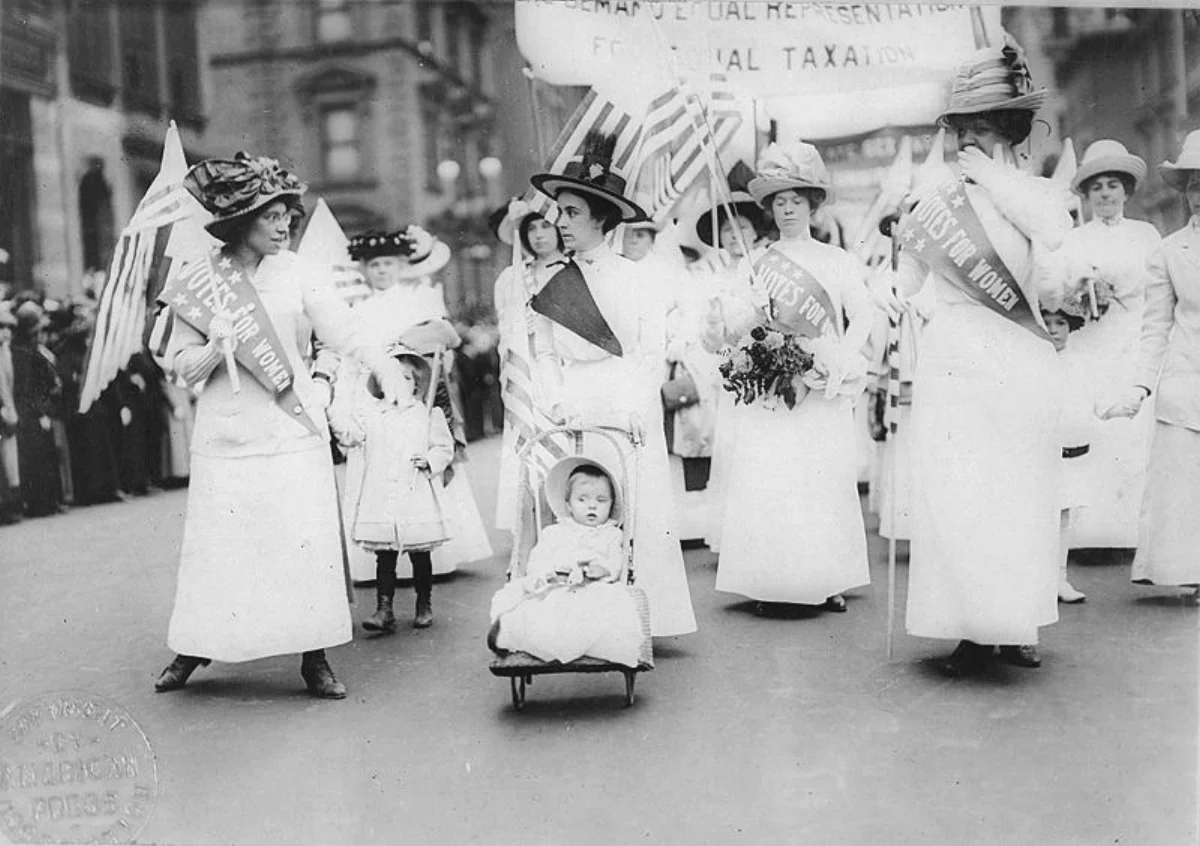
Feminist theory is a type of conflict theory focused on gender inequality. It examines how patriarchal structures - the historical and continuing dominance of men in positions of power - shape social institutions, including family, workplace, politics, and medicine.
Key claims:
- Gender is a social construction, not just biological.
- Inequality between men and women is structural, not individual.
- Power relations shape knowledge production - traditionally “neutral” science often reflects male perspectives.
Intersectionality
Intersectionality (Kimberlé Crenshaw) is the idea that different axes of oppression (race, gender, class, sexuality, disability) intersect and produce unique experiences. A Black woman’s experience of discrimination isn’t simply the sum of racism and sexism - it’s a unique intersection of the two that can’t be captured by either alone.

Intersectionality has been hugely influential in contemporary sociology and has spread into medicine, where it informs research on health disparities.
Rational Choice and Exchange Theory
Rational choice theory assumes that individuals make decisions by weighing costs and benefits to maximize their utility. An economic logic applied to social behavior.
Exchange Theory
A variant: exchange theory (George Homans) frames social interactions as exchanges of valued resources - attention, support, approval, sex, money. Relationships persist when both parties perceive the exchange as balanced or beneficial.
Applications:
- Why people stay in unfair relationships despite costs (perceived investment, perceived alternatives).
- Why patients “shop” for doctors based on perceived fit and benefit.
- Why people cooperate in repeated interactions (reputation is a resource).
Strengths: parsimonious; quantitatively tractable.
Limits: assumes people always know their preferences, act on them rationally, and have good information. Real people often fail all three (covered extensively in behavioral economics - Kahneman, Tversky, etc. from Chapter 4).
Social Constructionism
Social constructionism argues that many things we treat as objective reality are actually constructed through social agreements and practices. Examples:
- Race. Biologically a weak concept (more genetic variation within “races” than between them), but socially a powerful reality. Its categories and meanings are constructed - and change over time (Italian Americans were not always considered “white” in the U.S.).
- Gender. Biologically, sex categories have some basis, but gender roles, identities, and expectations are culturally constructed and vary across time and place.
- Mental illness. Diagnostic categories change (homosexuality was a mental illness in the DSM until 1973). What counts as “disorder” depends on social context.
- Crime. What counts as criminal varies across cultures and history. Marijuana use was criminal and is now legal in many places.
Note that “socially constructed” doesn’t mean “not real.” Race, gender, and mental illness have very real effects on people’s lives. It means their categories and meanings are products of human agreement, not simple facts of nature.
Social constructionism is compatible with symbolic interactionism (both focus on meaning-making) and with conflict theory (both often examine how categories serve power interests).