Government, Economy, Healthcare
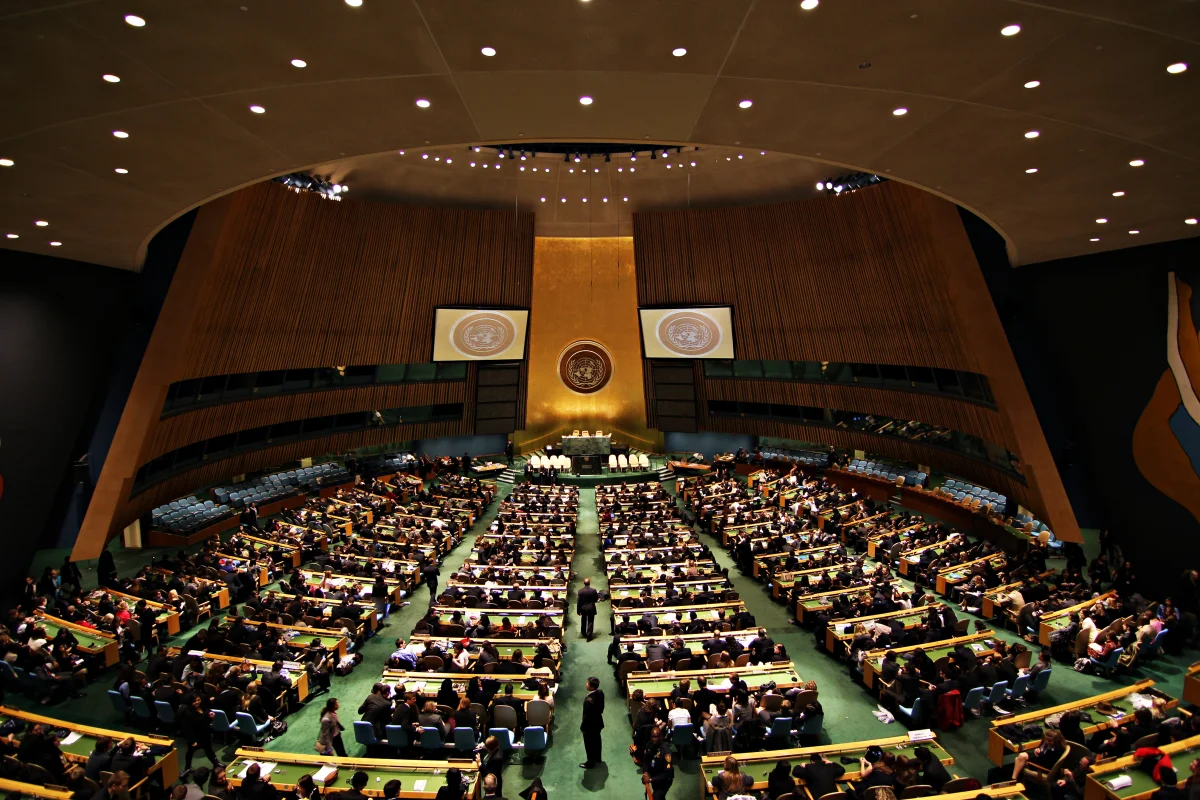
Three more institutions round out the chapter: government (how power is legitimately exercised), economy (how goods are produced and distributed), and healthcare (how society responds to illness).
Government
A government is the formal system of authority that makes binding rules for a society.
Weber’s Three Types of Authority
Max Weber identified three bases on which authority is legitimized:
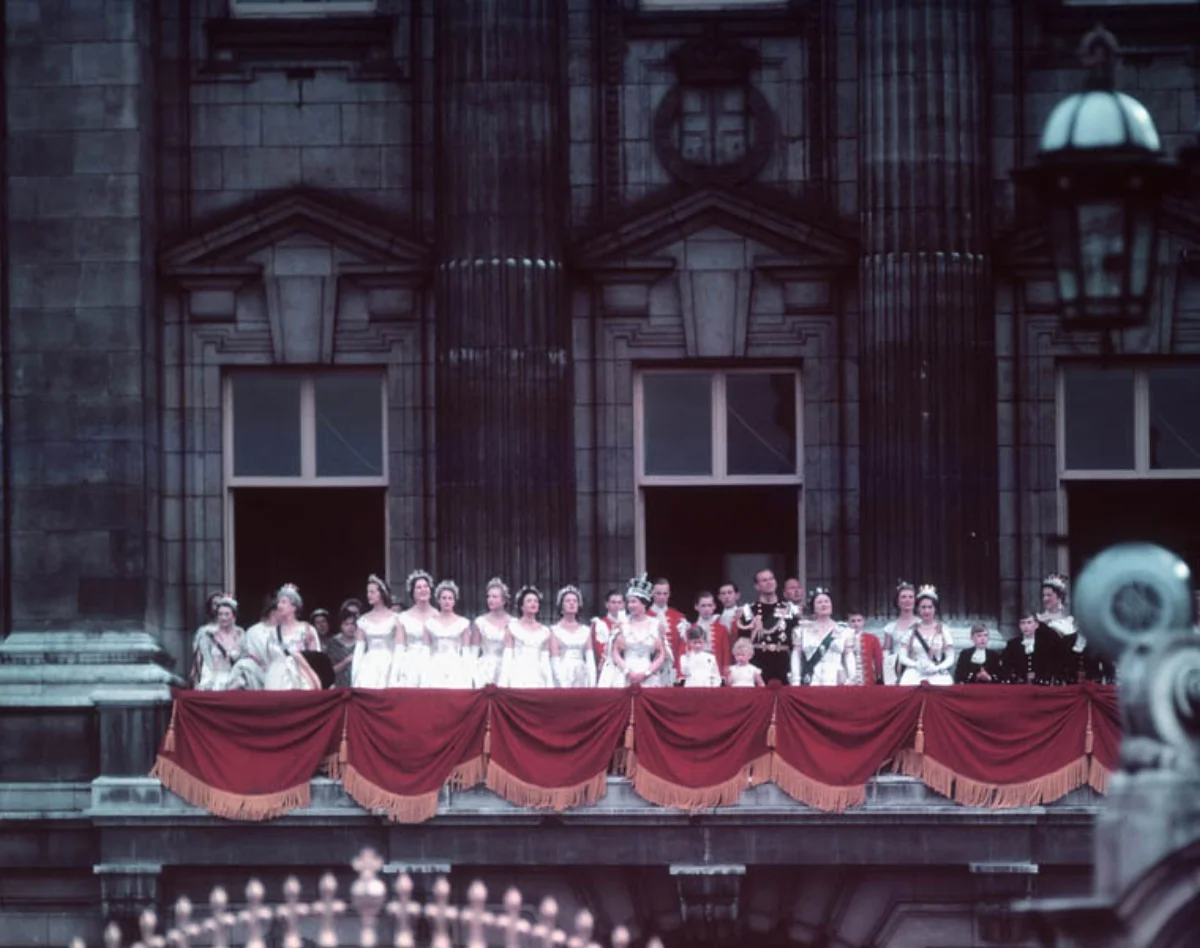
- Traditional authority. Based on long-established customs. Monarchs, tribal chiefs, religious leaders of established religions. “This is how it has always been.”
- Rational-legal (bureaucratic) authority. Based on laws and procedures. Democratic governments, corporate hierarchies. Power attaches to the office, not the person. The modern default in industrial societies.
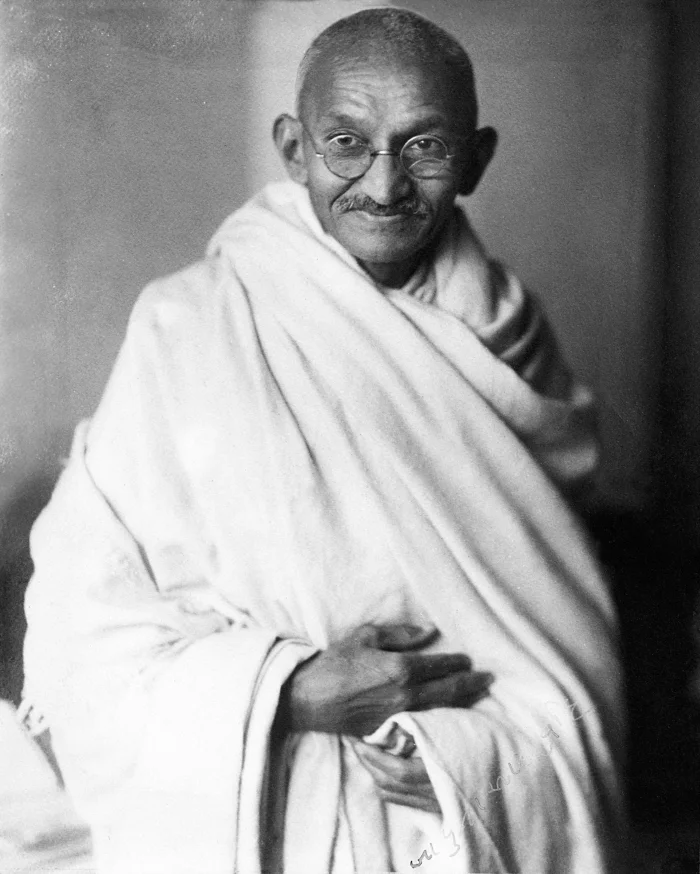
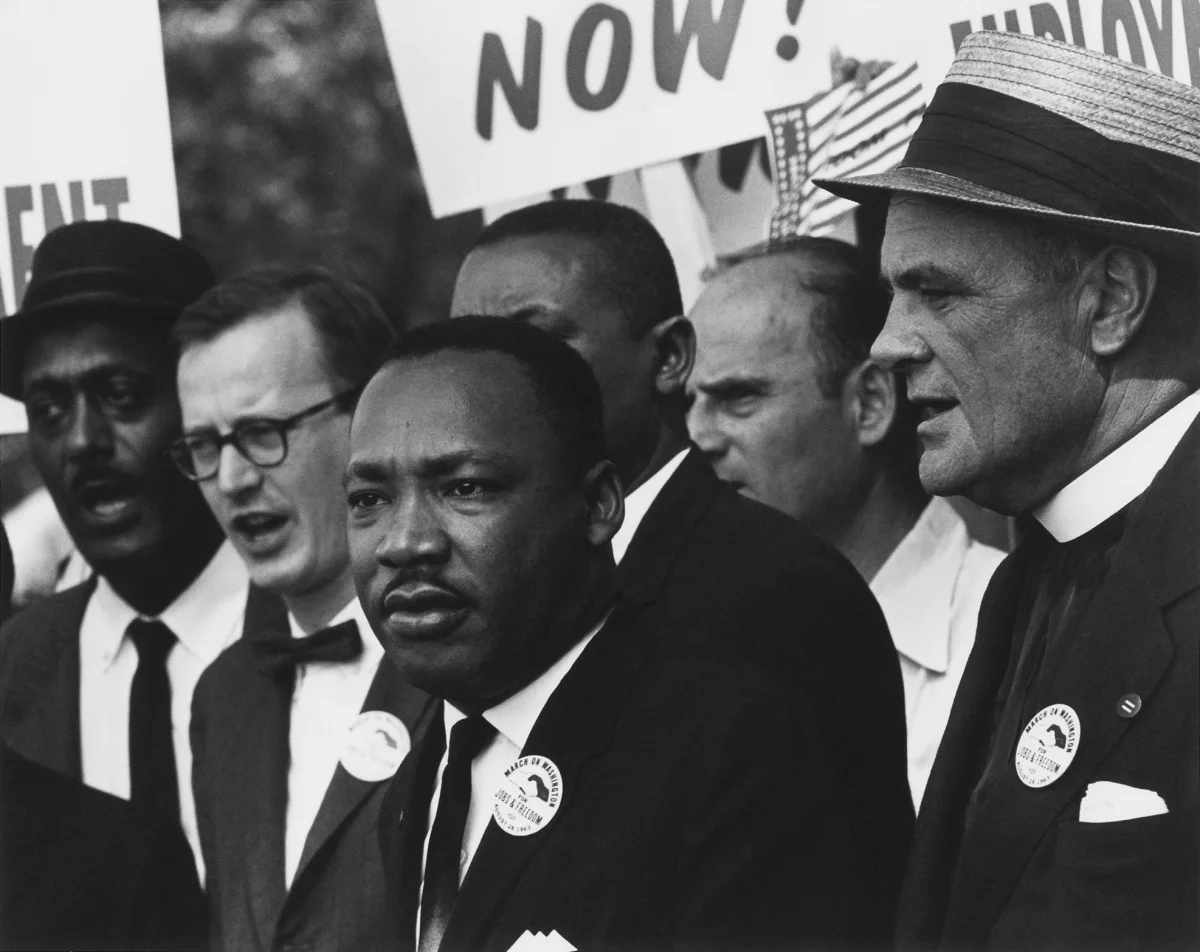
- Charismatic authority. Based on the leader’s personal magnetism. Rare and unstable. Gandhi, MLK, revolutionary leaders. Charismatic movements must either institutionalize (transition to rational-legal or traditional authority) or collapse when the leader dies.
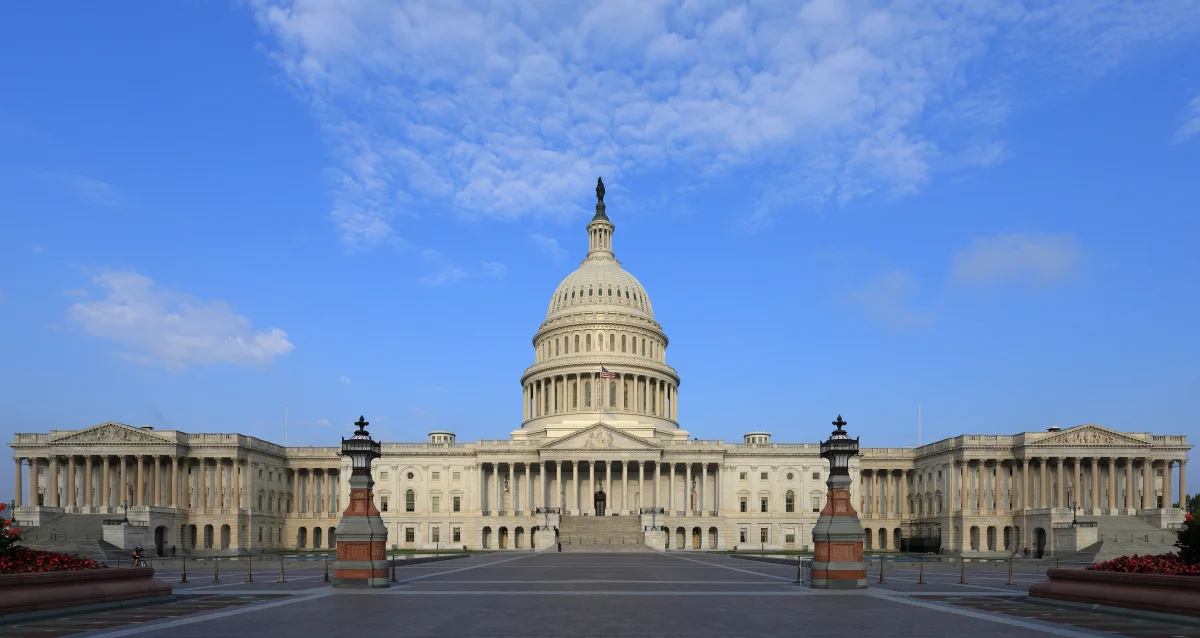
Most regimes combine types. A U.S. president has rational-legal authority from the office, often traditional authority from long-established customs, and sometimes charismatic authority from personal appeal.
Types of Government
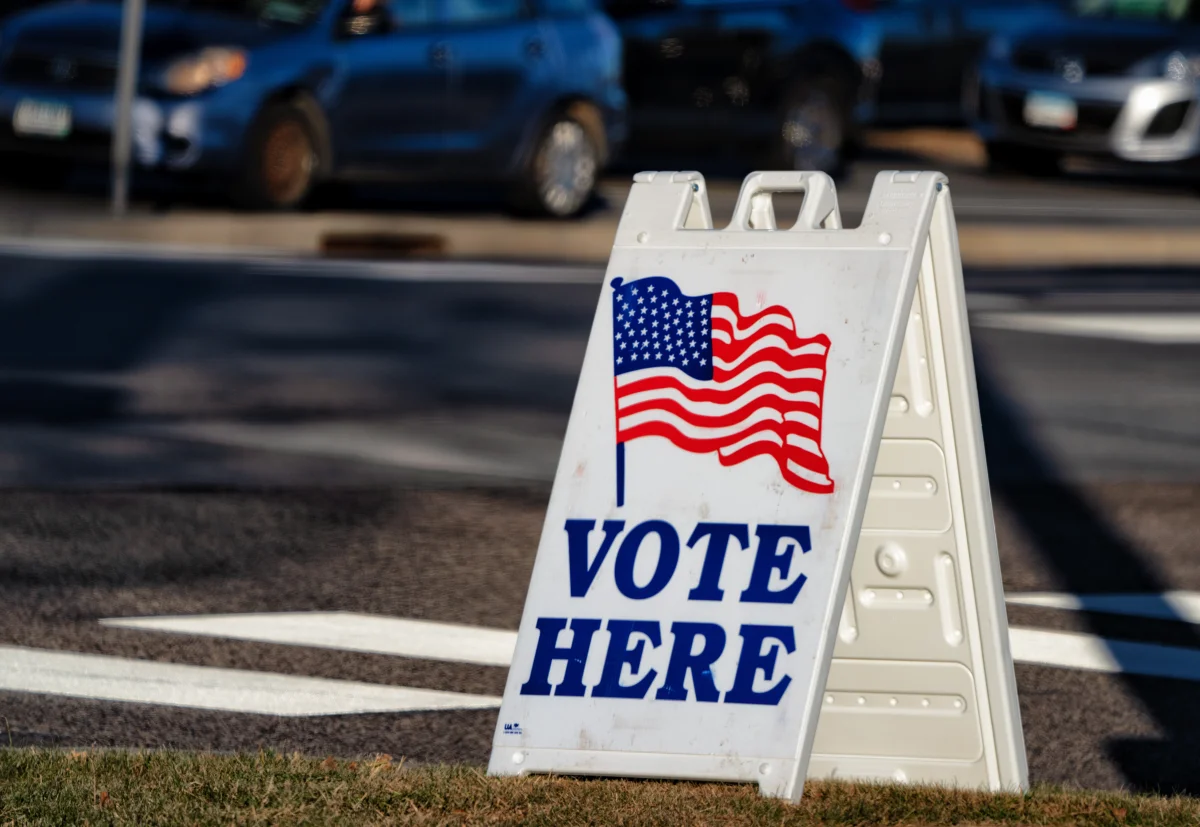
- Democracy. Citizens hold ultimate authority, typically through elections. Direct or representative.
- Monarchy. Power held by a royal family. Can be absolute (limited today) or constitutional (ceremonial with parliament governing).
- Authoritarian. Power concentrated in a ruler or party without meaningful citizen input.
- Totalitarian. Extreme authoritarianism; government controls not just politics but private life, economy, culture (Nazi Germany, Stalinist USSR).
- Oligarchy. Power held by a small elite group.
- Theocracy. Government based on religious authority.
The Economy
An economic system is the way a society organizes the production and distribution of goods and services.
Types of Economic Systems
- Capitalism. Private ownership of the means of production, market-based distribution. Emphasizes competition, profit motive, and private property.
- Socialism. Collective or state ownership of the means of production, distribution based on collective need. Emphasizes equality and planned economy.
- Mixed economies. Combine elements of both (most modern economies - including the U.S., which has private ownership but substantial regulation, welfare programs, and publicly provided services).
- Communism. The theoretical endpoint Marx predicted - a classless, stateless society with no private property. No society has fully implemented Marxist communism.

Division of Labor
As societies grow more complex, work becomes more specialized. Durkheim distinguished:
- Mechanical solidarity. Simple societies where people do similar work; social bonds come from shared experience and values.
- Organic solidarity. Complex societies where people do specialized work; social bonds come from mutual interdependence (I depend on the farmer, the farmer depends on me).
The shift from mechanical to organic solidarity is one of the big features of industrial modernization.
Primary, Secondary, Tertiary Sectors
- Primary sector. Extracting raw materials (agriculture, mining, forestry).
- Secondary sector. Manufacturing (factories, construction).
- Tertiary sector. Services (healthcare, finance, retail, education, information).
Developed countries have shrinking primary sectors and growing tertiary sectors.
Healthcare
Medicalization
Medicalization is the process by which non-medical problems come to be defined and treated as medical problems. Examples: alcoholism (once a moral failing, now a medical condition), ADHD (once described simply as “troublesome kid,” now a medical diagnosis), childbirth (once a normal life event, now intensively medicalized).
Medicalization has benefits (reduced stigma, access to treatment) and costs (loss of autonomy, expansion of pharmaceutical consumption, pathologizing normal variation).
The Sick Role (Parsons)
Talcott Parsons described the sick role as a social role with rights and obligations.
Rights:
- Exemption from normal social obligations (work, school) while sick.
- Not held responsible for the illness.
Obligations:
- Must want to recover.
- Must seek competent help (a physician) and cooperate with treatment.

The sick role is temporary and works for acute conditions. Chronic illness and mental illness don’t fit the sick role cleanly - patients may not be able to “want to recover” or cooperate in treatment in the way Parsons imagined.
Physician as Gatekeeper
The physician, in Parsons’s framework, serves as the gatekeeper who legitimizes the sick role (writing the sick note, issuing the diagnosis). This gives physicians substantial social power - and sets up the physician-patient relationship as inherently asymmetric in knowledge and authority.
Healthcare Access and Disparities
Healthcare in the U.S. is largely provided through a mix of private insurance, employer-based insurance, Medicare (elderly), Medicaid (low-income), and uninsured out-of-pocket payment. This system produces wide disparities in access and outcomes by income, race, and geography - themes that recur in Chapter 12.