Theoretical Perspectives

Theoretical Perspectives

6 min read Updated Apr 19, 2026

Sociology’s four classic theoretical lenses each highlight different aspects of social life. None is “right”; each illuminates different questions. The MCAT expects you to recognize the signature of each.

Macro vs. Microsociology

  • Macrosociology studies large-scale social structures and institutions - how societies, governments, economies, and social classes work. Uses aggregate data and historical analysis. Functionalism and conflict theory are macro.
  • Microsociology studies face-to-face interaction - how people construct meaning and identity in everyday encounters. Uses observation and interviews. Symbolic interactionism is micro.

Some theories (like social constructionism) operate at both levels.

Structural Functionalism

Functionalism views society as a complex system of interrelated parts, each contributing to the stability and functioning of the whole. The body metaphor: just as organs serve functions in the body, social institutions (family, education, religion, government) serve functions for society.

Key figures:

  • Emile Durkheim. Argued that social facts (norms, values, institutions) exist above the individual and exert pressure on behavior. Studied suicide rates as a sociological phenomenon shaped by social integration, not just individual psychology.
  • Talcott Parsons. Elaborated functionalism in the 20th century. Argued all societies must solve four functional problems (AGIL: Adaptation, Goal attainment, Integration, Latency).
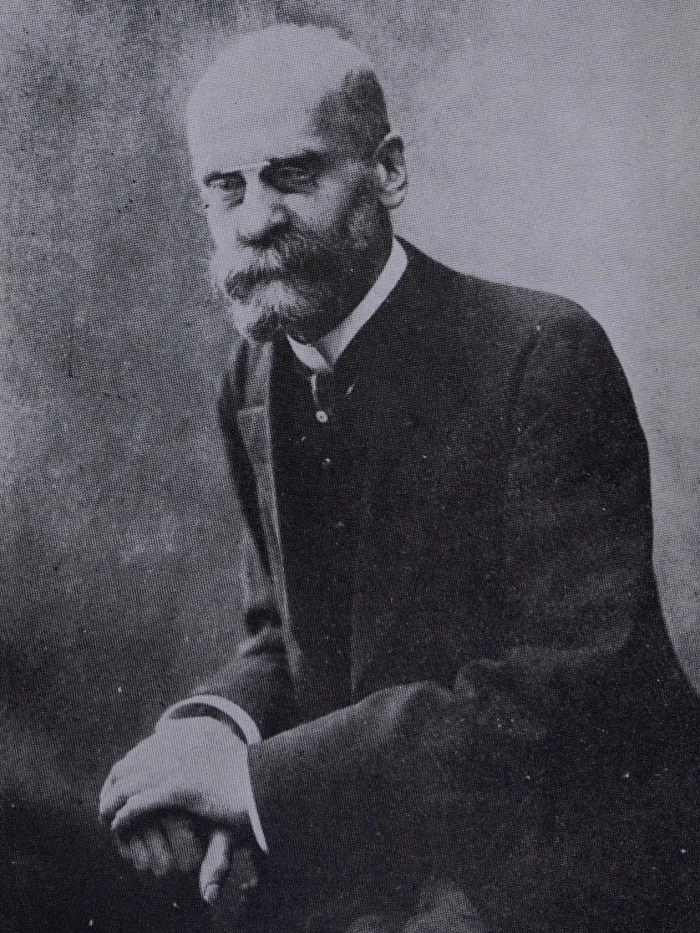
Black-and-white portrait of Emile Durkheim, a bearded man in a dark suit seated with hands folded, looking sideways with a serious expression
Emile Durkheim (1858–1917), founder of modern sociology and a foundational functionalist. His Suicide (1897) showed that even an act seemingly as private as suicide is shaped by social forces - integration, regulation, and shared norms. Credit: Unknown author via Wikimedia Commons (Public Domain).
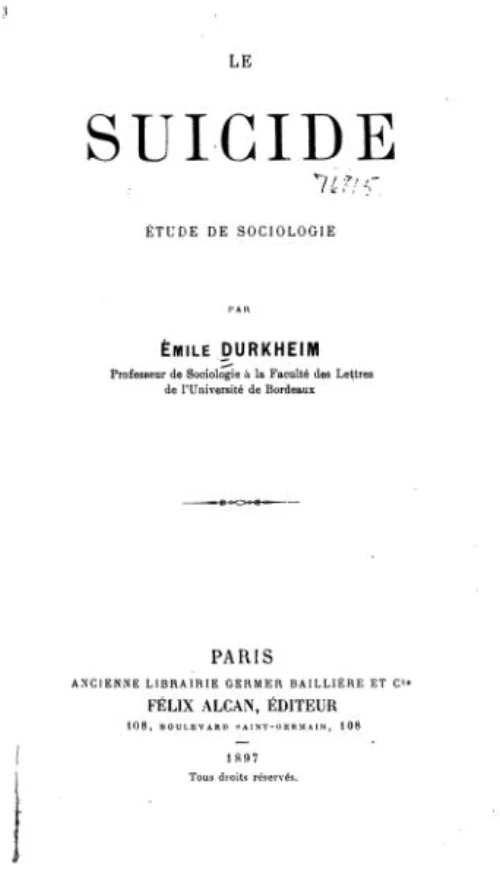
Title page of Emile Durkheim's 1897 book Le Suicide: Étude de sociologie, published in Paris by Felix Alcan
Title page of Durkheim's Le Suicide (1897). By treating suicide rates as a social fact - varying systematically across religions, marital statuses, and historical moments - Durkheim helped establish sociology as a science distinct from psychology. Credit: Internet Archive / Zyephyrus via Wikimedia Commons (Public Domain).
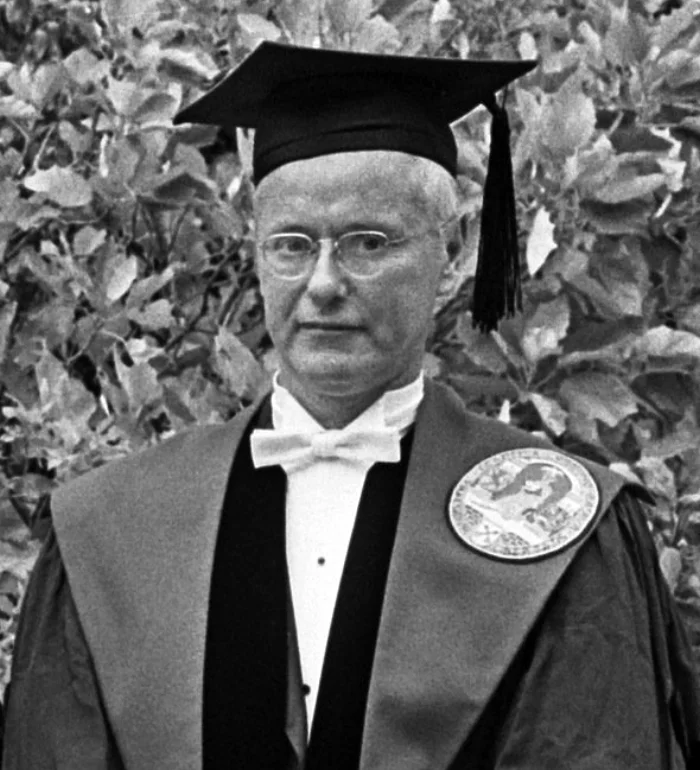
Black-and-white photograph of Talcott Parsons, an older man in academic regalia (mortarboard, gown, and university medallion), standing in front of foliage
Talcott Parsons (1902–1979), the leading 20th-century functionalist. He systematized functionalism with the AGIL scheme and described the patient role with the "sick role" model still tested on the MCAT. Credit: Anonymous via Wikimedia Commons (Public Domain).

Manifest and Latent Functions

Robert Merton distinguished:

  • Manifest functions - the intended, recognized consequences of a social institution or practice. Schools manifestly function to educate children.
  • Latent functions - unintended, unrecognized consequences. Schools also latently function as marriage markets, babysitting services, and sorting mechanisms for social class.
  • Dysfunctions - consequences that reduce stability. Crime is usually a dysfunction; so is burnout in healthcare workers.
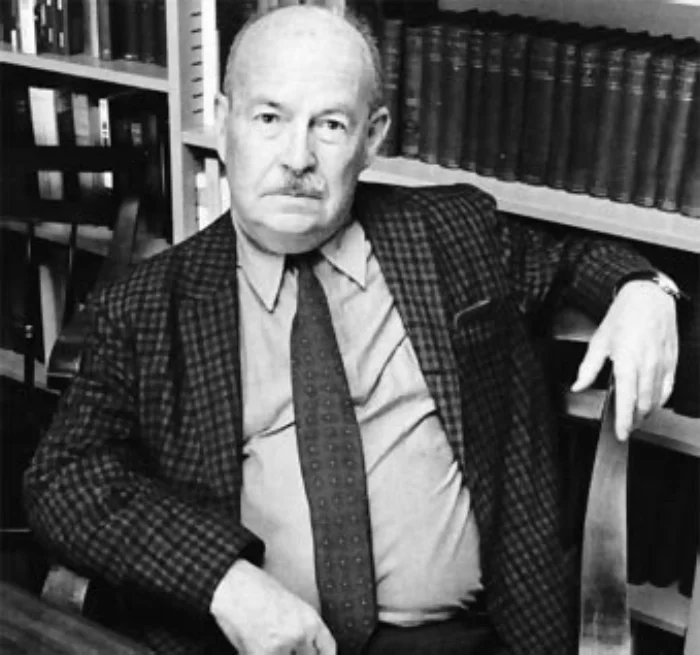
Black-and-white photograph of Robert K. Merton, a balding man with a moustache wearing a checked sport coat and tie, seated in front of a bookshelf in 1965
Robert K. Merton (1910–2003) extended functionalism by distinguishing manifest, latent, and dysfunctional consequences of social practices. The MCAT routinely uses these terms in passages about institutions. Credit: Eric Koch for Anefo via Wikimedia Commons (CC0).

Functionalism is good at explaining stability and why institutions persist. It struggles with change, conflict, and systemic inequality - critics argue it justifies the status quo by assuming everything has a function.

Conflict Theory

Conflict theory views society as an arena of struggle among groups competing for scarce resources (wealth, power, status). Rather than stability, it emphasizes conflict, inequality, and change.

Key figure: Karl Marx. He analyzed capitalist society as a struggle between:

  • Bourgeoisie - the capitalist class that owns the means of production.
  • Proletariat - the working class that sells labor to the bourgeoisie.
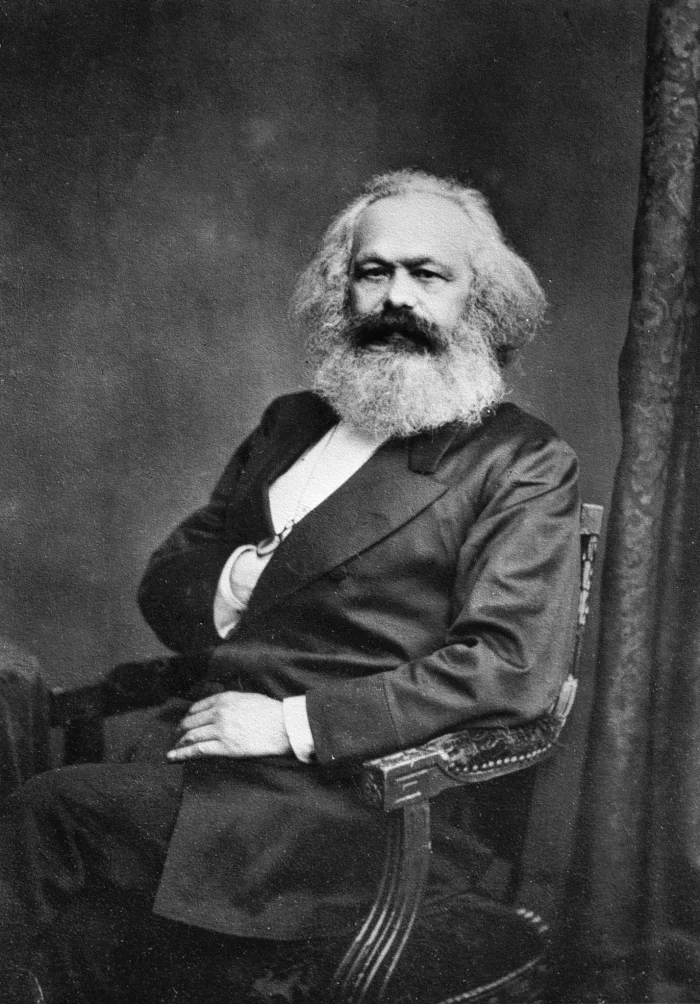
Black-and-white seated portrait of Karl Marx, a heavily bearded man with bushy white hair and a dark suit, photographed in the studio of John Jabez Edwin Mayall in 1875
Karl Marx (1818–1883), the founder of conflict theory. His class-based analysis of capitalism (bourgeoisie vs. proletariat) is the prototype every modern conflict theory builds on. Credit: John Jabez Edwin Mayall via Wikimedia Commons (Public Domain).
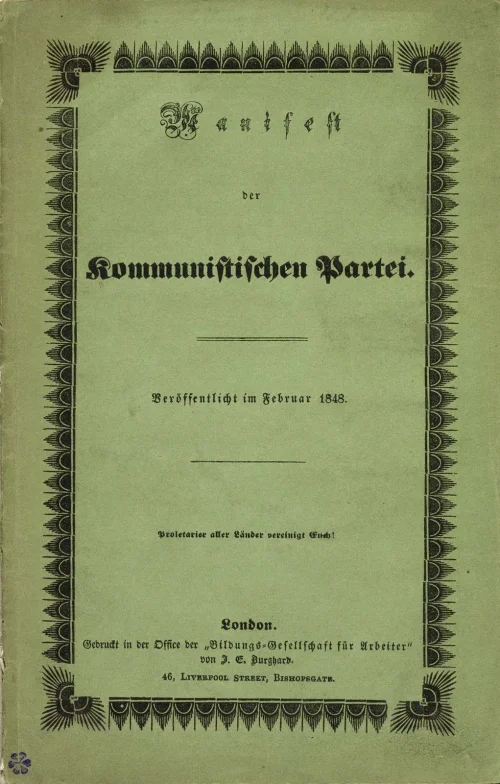
Cover of the original 1848 German edition of Marx and Engels' Manifest der Kommunistischen Partei (Manifesto of the Communist Party), printed in London with an ornate decorative border
The original 1848 German edition of Marx and Engels' Manifesto of the Communist Party. Its analysis of class conflict ("the history of all hitherto existing society is the history of class struggles") seeded the entire conflict-theory tradition. Credit: Marx & Engels via Wikimedia Commons (Public Domain).

Marx predicted that class conflict would eventually produce revolution and a classless society. While revolutions in his predicted form largely didn’t materialize, his framework for analyzing power and inequality influences sociology to this day.

Modern conflict theory has expanded beyond economic class to include conflicts around race, gender, sexuality, religion, and global inequality.

  • Max Weber added other dimensions of stratification: class (economic), status (prestige), and party (political power). Inequality exists along multiple axes.
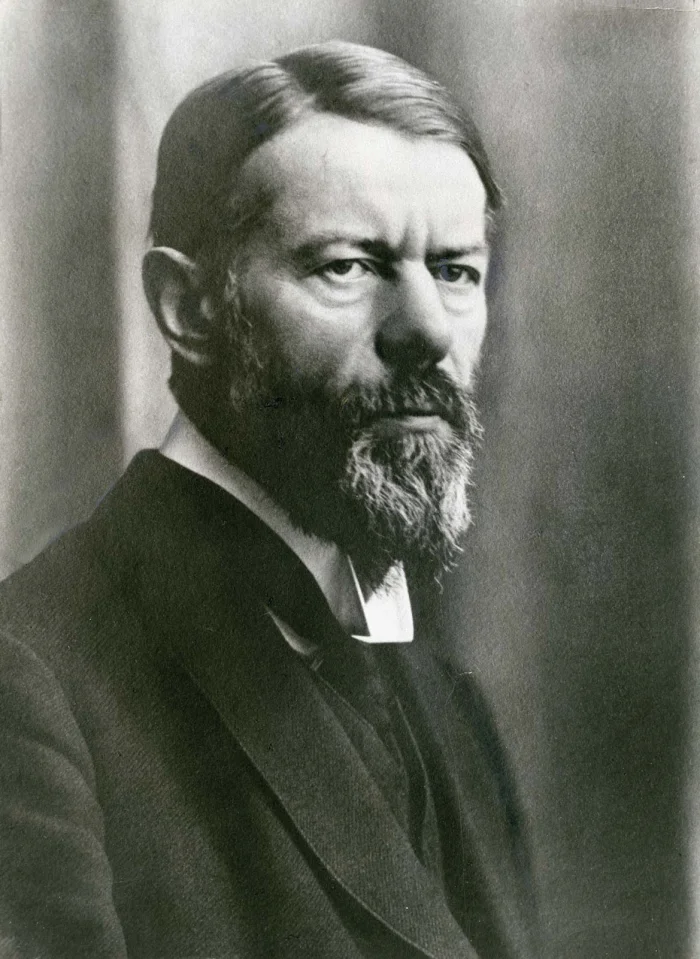
Black-and-white portrait of Max Weber, a German sociologist with a long, thick dark beard and receding hairline, wearing a dark jacket and waistcoat in 1918
Max Weber (1864–1920), one of the founders of sociology alongside Marx and Durkheim. He expanded conflict theory beyond economic class to include status and party, theorized the three types of authority, and traced the rise of bureaucratic rationality (the "iron cage"). Credit: Ernst Gottmann via Wikimedia Commons (Public Domain).

Conflict theory explains inequality, oppression, and social change well. Critics argue it emphasizes conflict at the expense of cooperation and stability.

Symbolic Interactionism

Symbolic interactionism (already introduced in Chapter 10) focuses on how people create meaning through face-to-face interaction, using language and other symbols. Micro-level.

Key figures:

  • George Herbert Mead. The self emerges from social interaction. Three stages (preparatory, play, game) culminate in the ability to take the “generalized other’s” perspective.
  • Herbert Blumer. Coined the term “symbolic interactionism.” Three core principles: meanings guide action, meanings arise from social interaction, meanings are interpreted.
  • Erving Goffman. Dramaturgical approach - everyday life as theatrical performance, with front stage, back stage, and impression management.
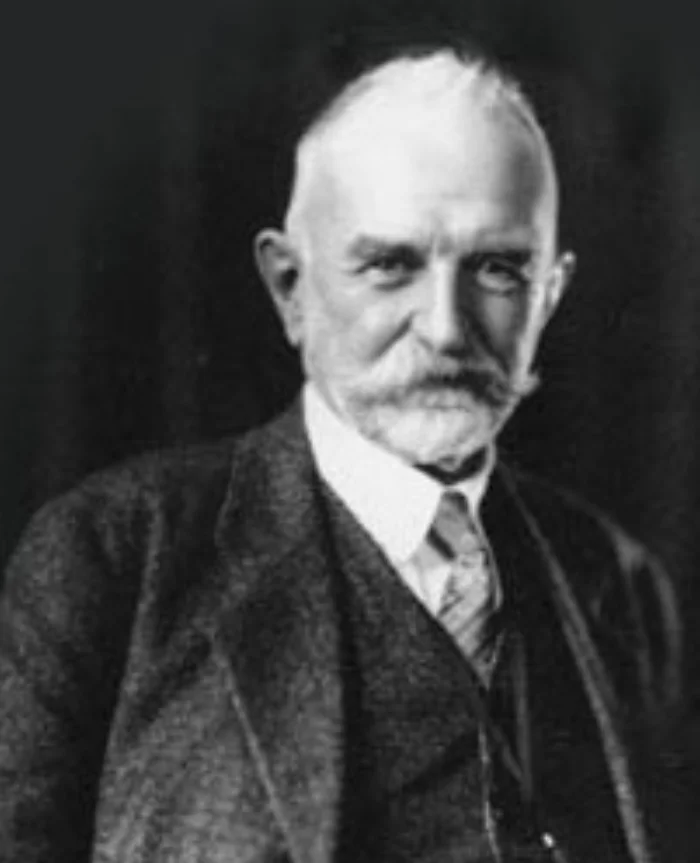
Black-and-white photograph of George Herbert Mead, an older man with a white moustache wearing a dark three-piece suit and tie
George Herbert Mead (1863–1931), founder of symbolic interactionism. His account of the developing self (preparatory, play, game stages culminating in the "generalized other") is high-yield MCAT material. Credit: Unknown via Wikimedia Commons (Public Domain).
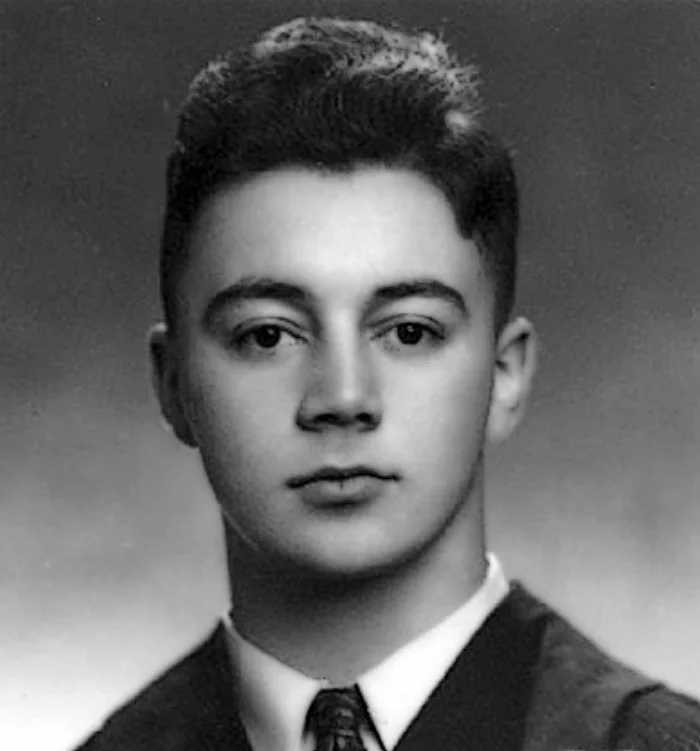
Black-and-white portrait of a young Erving Goffman, with short dark hair, looking directly at the camera in a formal photograph from around 1940
Erving Goffman (1922–1982), whose dramaturgical analysis treats everyday life as theatrical performance with front stage, back stage, and impression management. The doctor-patient encounter is a textbook front-stage performance. Credit: Unknown via Wikimedia Commons (Public Domain).
Symbolic interactionism explains how identities are constructed, how stigma is reproduced in interactions, and how meanings shift over time. Critics argue it neglects large-scale structures.

Comparing the Four Perspectives

TheoryLevelCentral ConceptKey Figure
FunctionalismMacroSociety as system of parts with functionsDurkheim
Conflict theoryMacroCompetition over scarce resourcesMarx
Symbolic interactionismMicroMeaning-making in interactionMead, Goffman
Distinguish manifest from latent functions, with an example.
Click to reveal answer
Manifest: intended, recognized consequences (schools educate children). Latent: unintended, unrecognized consequences (schools also function as marriage markets, babysitting services, social-class sorters). Both shape society; only manifest functions are usually recognized.
What did Marx identify as the key struggle in capitalist society?
Click to reveal answer
Between the bourgeoisie (owners of the means of production) and the proletariat (working class who sell labor). Marx predicted class conflict would eventually produce revolution and a classless society.
Which of the four theoretical perspectives is primarily a micro-level theory?
Click to reveal answer
Symbolic interactionism. Focuses on face-to-face interaction, meaning-making, and identity construction. Functionalism and conflict theory are macro-level (focused on structures and institutions).