
Family, Education, Religion
A social institution is a stable arrangement of norms, roles, and activities that meets a basic social need. Every society has some form of family, education, religion, government, economy, and healthcare system - though the specifics vary dramatically. This section covers the first three.
The Family
The family is typically considered the most basic social institution.
Functions
- Reproduction and child-rearing - producing and raising the next generation.
- Socialization - primary agent of early socialization.
- Economic support - sharing resources among members.
- Emotional support - intimate bonds and caregiving.
- Regulation of sexuality - cultural rules about sexual partnerships.
- Social placement - assigning children a family-based status in the broader society.
Family Types
- Nuclear family - parents and their children. Common in industrial societies.
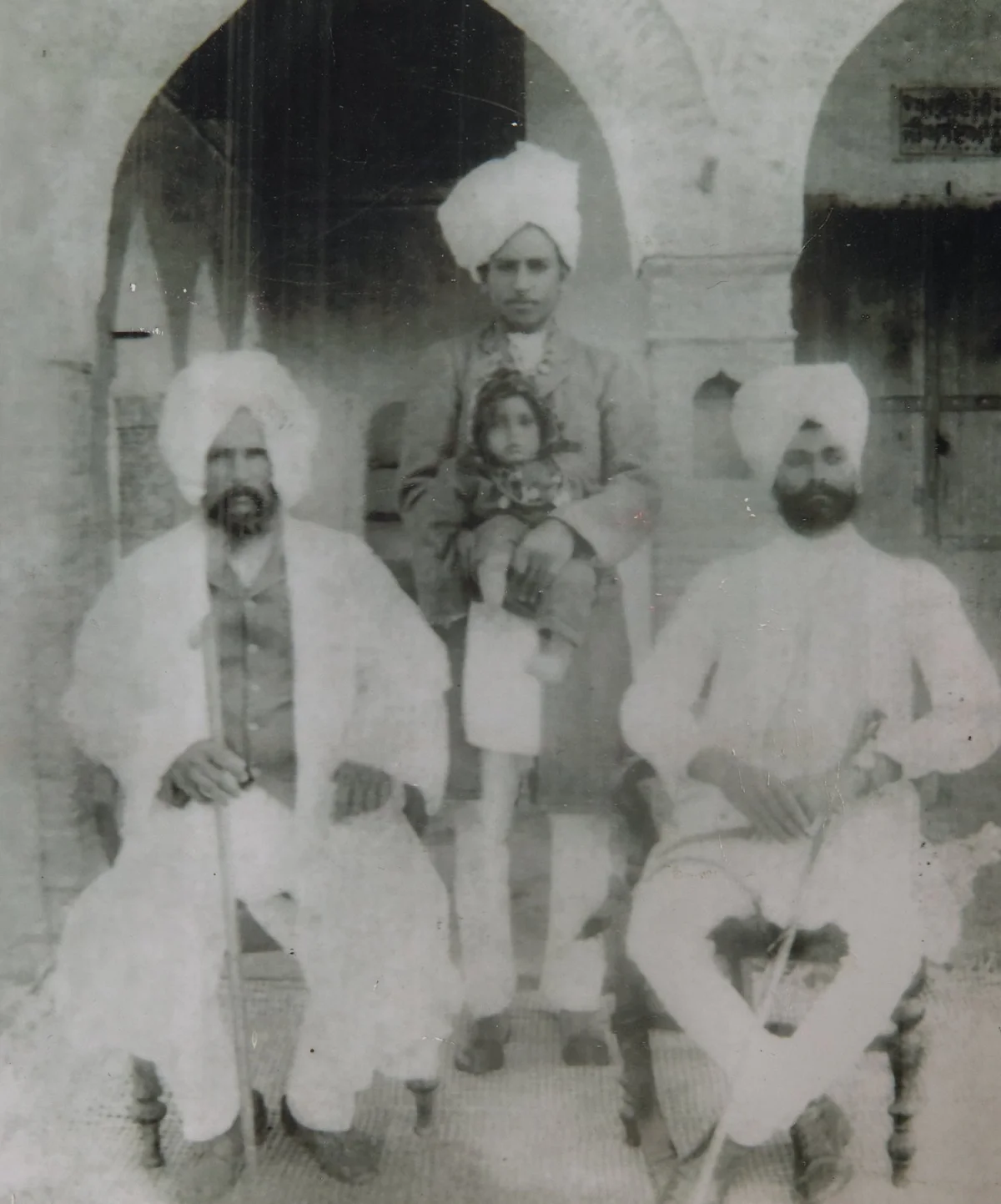
- Extended family - nuclear family plus additional relatives (grandparents, aunts, uncles). Common worldwide; historically dominant.
- Single-parent family - one parent with children. Increasingly common.
- Blended family - parents with children from previous relationships.
- Same-sex families - legally recognized in many jurisdictions.
Marriage Patterns
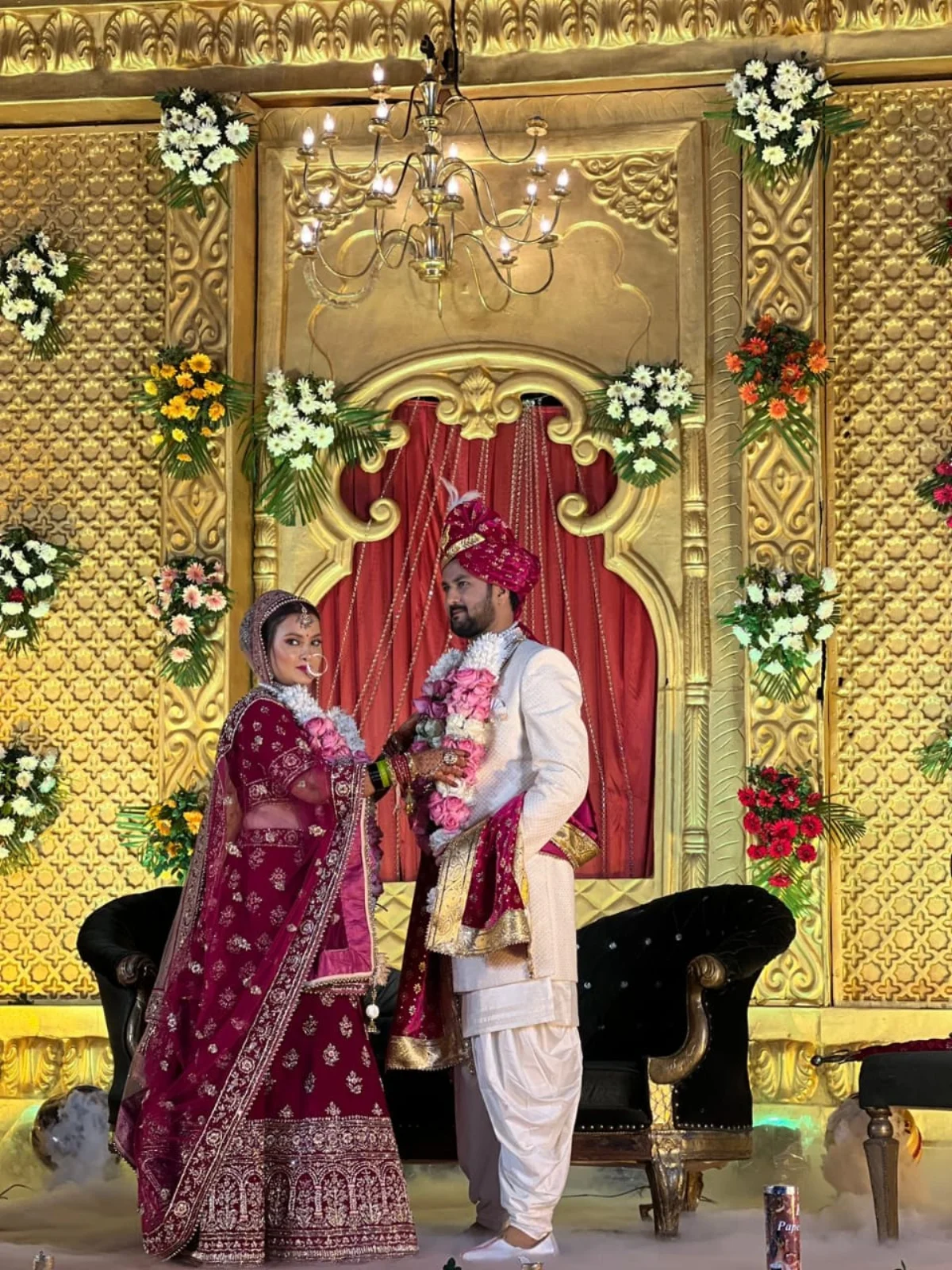
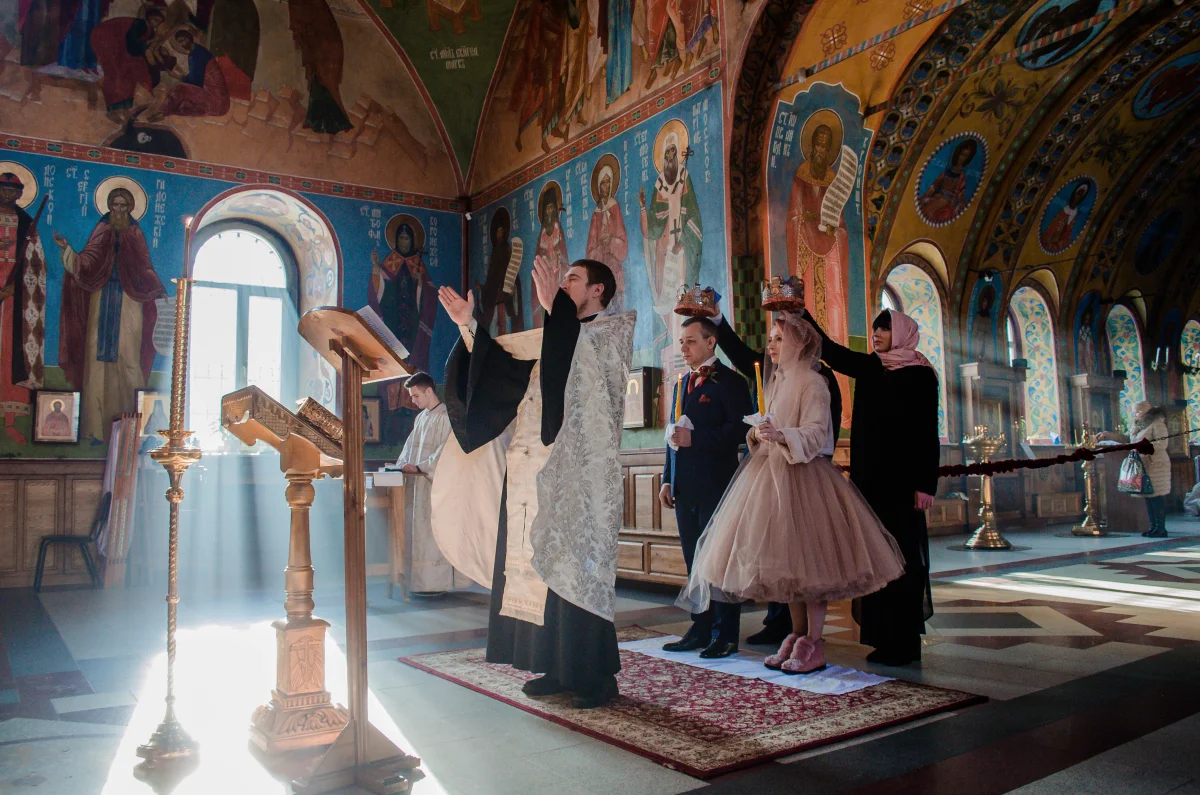
- Monogamy - one spouse at a time (serial monogamy allows multiple marriages sequentially).
- Polygamy - multiple spouses.
- Polygyny - one husband, multiple wives. Most common form of polygamy globally.
- Polyandry - one wife, multiple husbands. Rare.
Kinship Systems
- Patrilineal - descent traced through the father.
- Matrilineal - descent traced through the mother.
- Bilateral - descent traced through both (common in industrial societies).
Residence Patterns
- Patrilocal - newlyweds live near husband’s family.
- Matrilocal - near wife’s family.
- Neolocal - new home, away from both families (modern Western norm).
Functionalist vs. Conflict Views
- Functionalist. Family provides essential functions (reproduction, socialization, economic support).
- Conflict. Family reproduces class, gender, and racial inequalities. Historically, marriage law subordinated women; inheritance concentrates wealth within classes.
Education
Functions
- Manifest. Teaching knowledge and skills; certifying competence.
- Latent. Socialization into norms and values; sorting/tracking individuals into occupational slots; delaying labor-market entry; providing childcare during workdays.
The Hidden Curriculum

Jean Anyon, Samuel Bowles, and others documented the hidden curriculum: schools teach more than the official subjects. Implicit lessons include obedience to authority, punctuality, respect for hierarchy, competition, and conformity. Critics argue the hidden curriculum reproduces class inequality by preparing working-class students for working-class jobs and middle-class students for middle-class jobs.
Tracking
Tracking assigns students to different academic paths based on perceived ability. Advocates argue it matches instruction to student needs. Critics argue it reinforces inequality - track placement often correlates with parental SES more than with innate ability, and low-track students receive fewer resources and lower expectations.
Functionalist vs. Conflict
- Functionalist. Education transmits culture, develops talent, and prepares workers.
- Conflict. Education legitimizes inequality by making class-based outcomes look meritocratic. The “sorting” function reproduces class structure across generations.
Religion
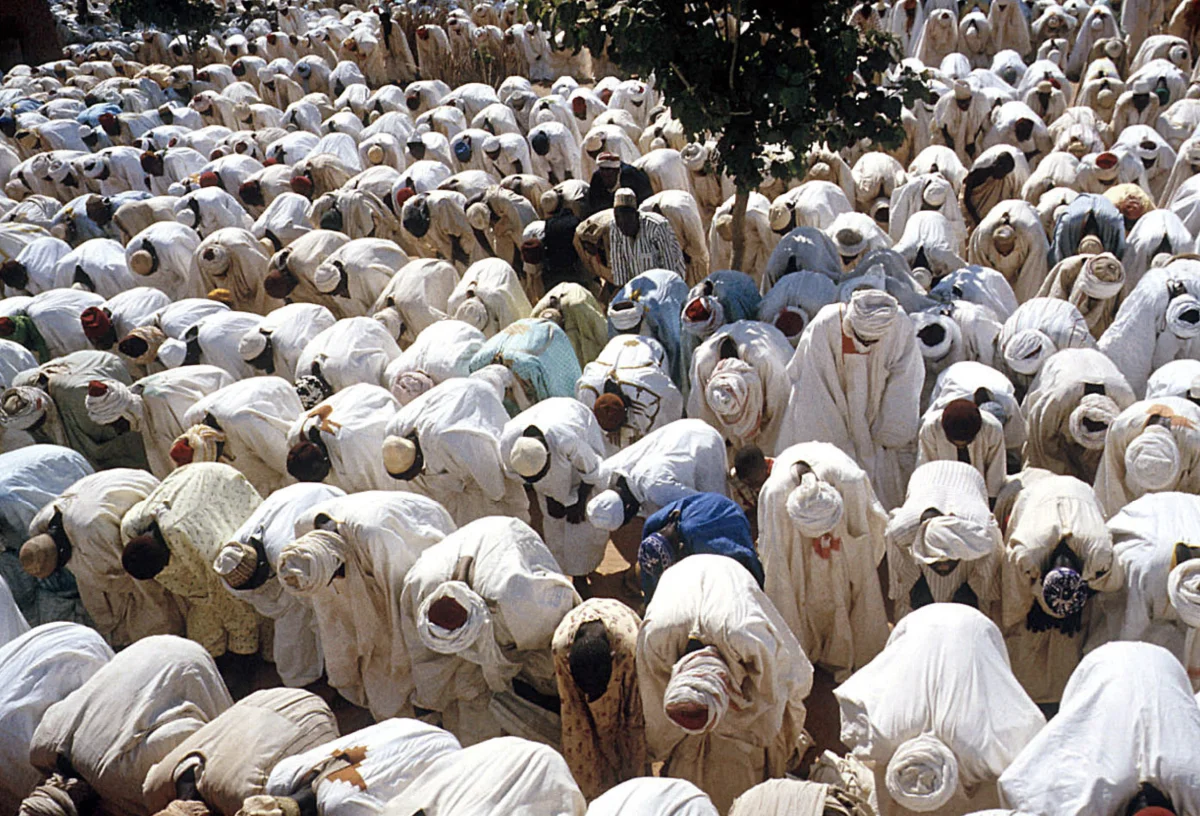
Religion is a unified system of beliefs and practices concerning sacred things - things set apart as extraordinary, inspiring awe or reverence.
Functions
- Meaning. Answers to ultimate questions about existence, death, and purpose.
- Social solidarity. Shared rituals bond members. Durkheim: the “sacred” is society worshipping itself.
- Moral guidance. Shared ethical frameworks.
- Social control. Internalized rules backed by divine authority.
Types of Religious Organizations
- Ecclesia. A state religion - nearly universal membership in a society, integrated with political power (historical Catholic Church in medieval Europe, state Shinto in Imperial Japan).
- Church. Established, hierarchical, well-integrated with society. Members often born into it.
- Denomination. A church that coexists with other religious groups in a religiously pluralistic society.
- Sect. A smaller, typically newer religious group, often in tension with mainstream society. Members usually join voluntarily.
- Cult (new religious movement). A small, new religious group, often centered on a charismatic leader, with beliefs and practices outside mainstream religion.
Religiosity
Religiosity is the extent of religious belief and practice. Measured by:
- Frequency of attendance.
- Intensity of belief.
- Engagement in private prayer or meditation.
- Adherence to religious rules in daily life.
Secularization
Secularization is the declining influence of religion in social life. Measured by falling attendance, weakening religious authority, and the separation of religion from politics. Observable in most Western industrialized nations.
But secularization is uneven. Religion remains vibrant in much of the world, and some industrialized countries (notably the United States) show higher religiosity than secularization theory predicted. Religion also persists in modernized forms (meditation apps, wellness spirituality) that aren’t captured by church attendance data.