
Urbanization and Population Dynamics
Populations change: they grow, shrink, move, and age. This section covers the dynamics.
Urbanization
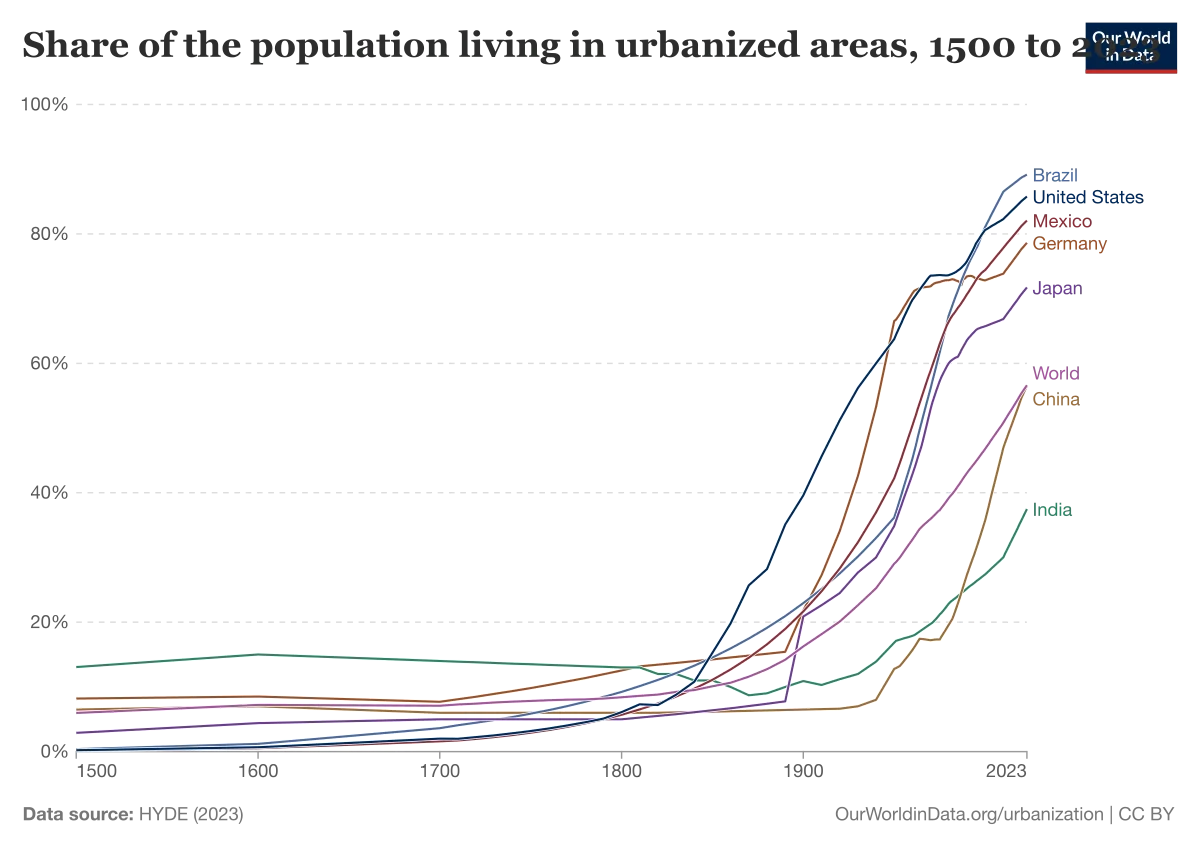
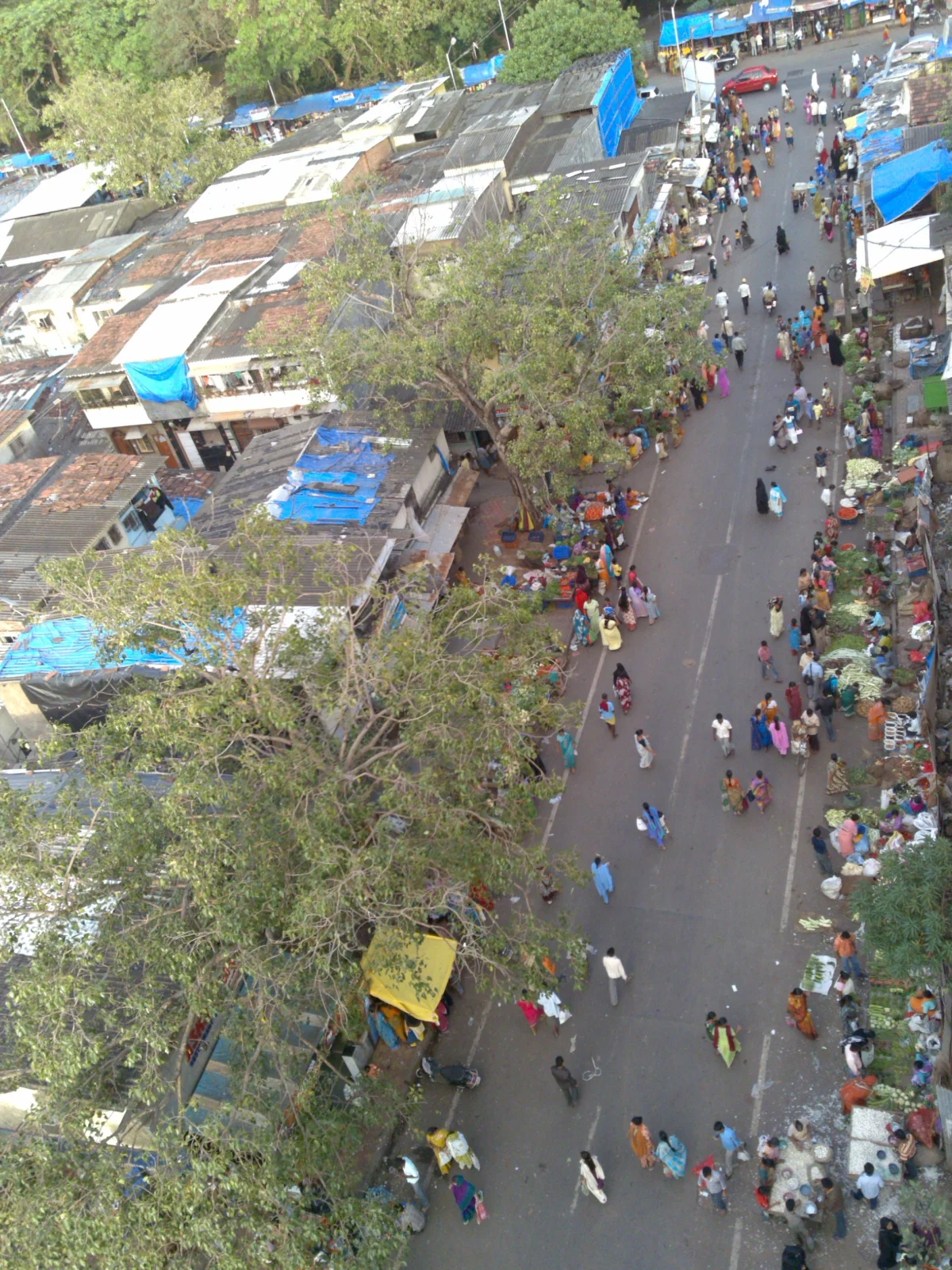
Urbanization is the process by which populations shift from rural areas to cities. Globally, the majority of humanity has lived in cities since around 2007. Urbanization accelerates with industrialization.
Drivers
- Push. Mechanization of agriculture (fewer farm jobs), rural poverty, lack of opportunity.
- Pull. Urban jobs, services, entertainment, and social connections.
Urban Sprawl
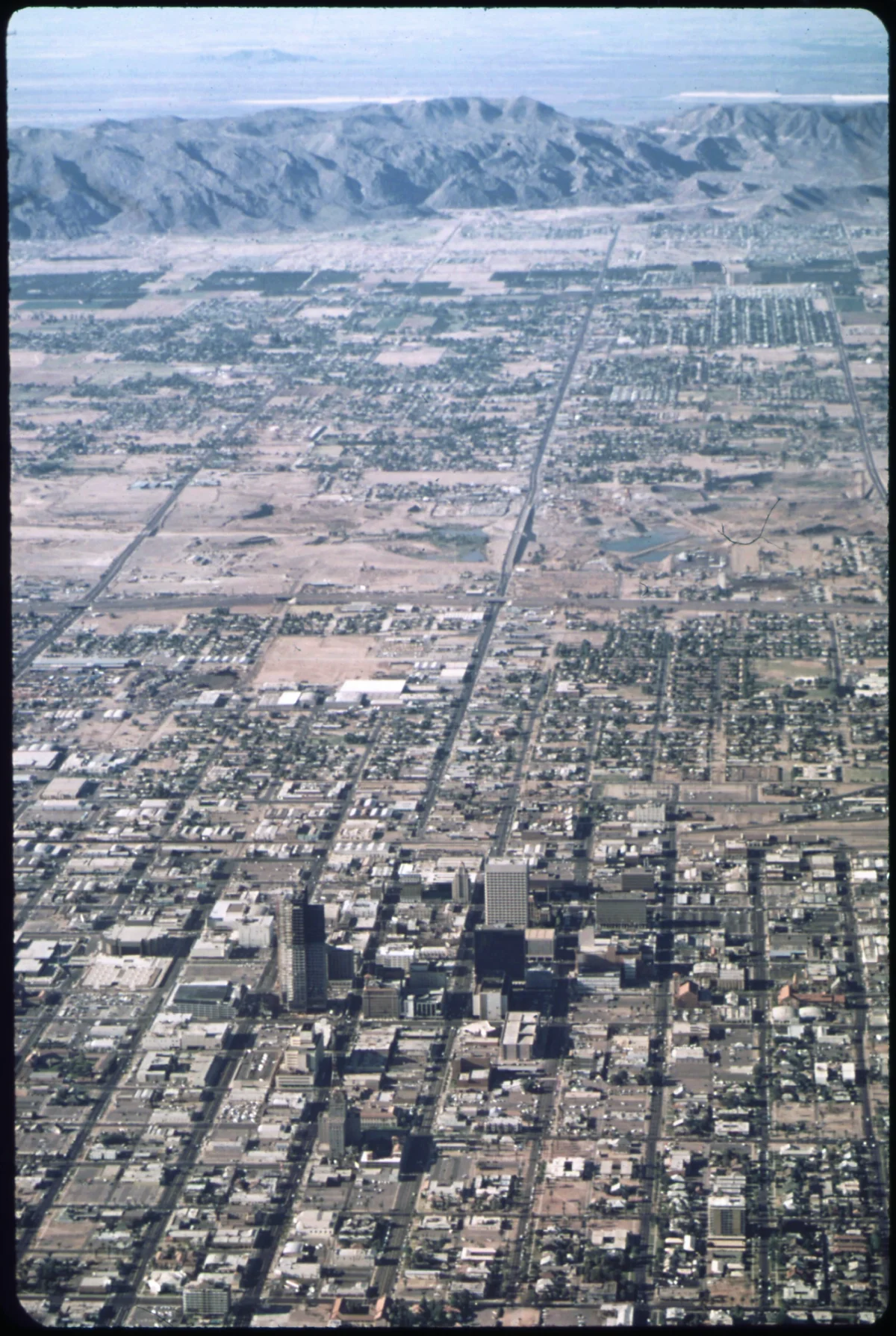
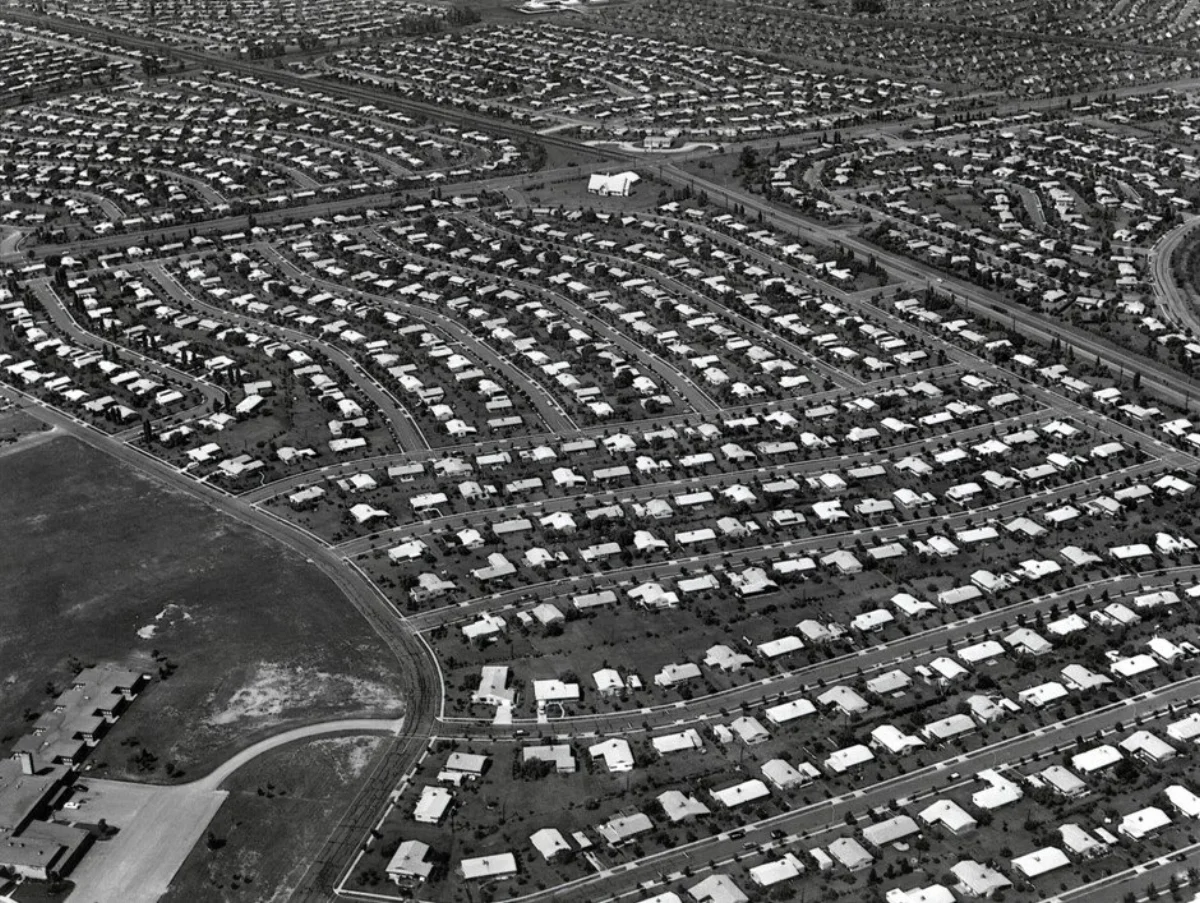
The outward spread of cities into surrounding areas, often with low-density development (suburban subdivisions, strip malls). Dependent on automobiles. Creates long commutes and environmental costs.
Gentrification
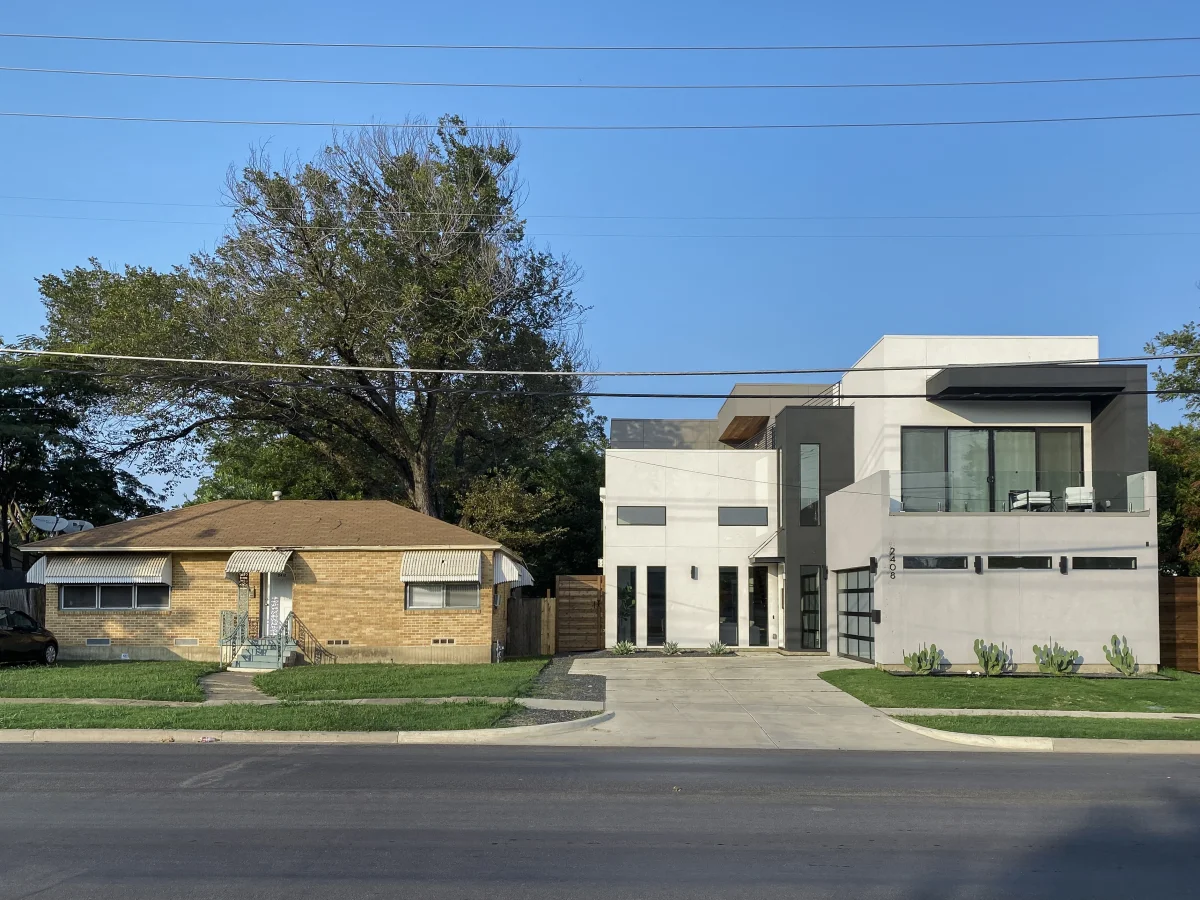
The movement of wealthier residents into lower-income urban neighborhoods, often displacing existing residents through rising rents and changing character. Controversial - brings investment but can erase communities and cultures.
Population Dynamics
A population changes through four processes:
- Births (fertility) - adding people.
- Deaths (mortality) - removing people.
- Immigration - adding people from elsewhere.
- Emigration - removing people to elsewhere.
Rates
- Crude birth rate (CBR). Live births per 1,000 population per year.
- Crude death rate (CDR). Deaths per 1,000 population per year.
- Natural increase. CBR − CDR (doesn’t include migration).
- Total fertility rate (TFR). Average children per woman over her lifetime. Replacement-level fertility is ~2.1 (above 2 to replace both parents, plus a small buffer for child mortality).
Demographic Transition
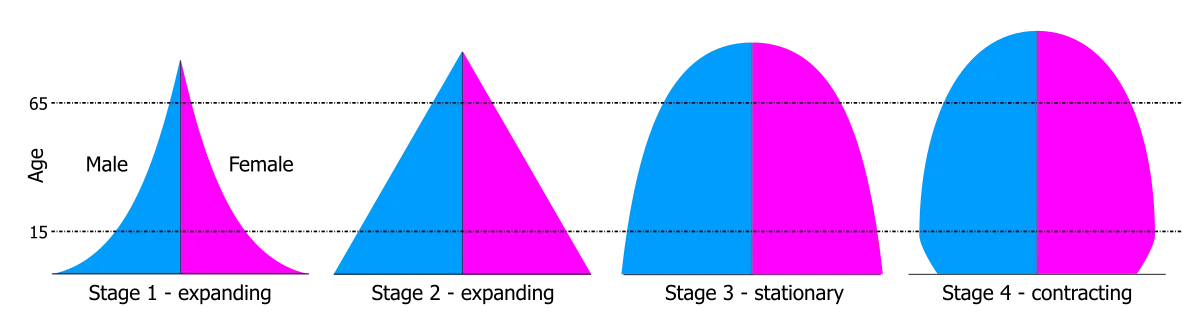
The demographic transition model describes how populations change as a country develops economically. Four classic stages:
Stage 1: Pre-Industrial
Both birth rates and death rates are high. Population grows slowly.
Stage 2: Early Industrial (Transitional)
Death rates fall first due to improvements in sanitation, medicine, nutrition. Birth rates remain high. Population grows rapidly.
Stage 3: Mature Industrial
Birth rates begin to fall as women’s education improves, urbanization increases, child mortality drops, and children become economic costs (rather than rural labor). Population growth slows.
Stage 4: Post-Industrial
Both birth and death rates are low. Population stabilizes or shrinks. Typical of modern wealthy countries.
Some theorists propose a Stage 5 in which birth rates fall below death rates, producing population decline without immigration. Japan, Italy, and South Korea are examples.
Globalization
Globalization is the increasing interconnection of economies, cultures, and populations across national borders - through trade, communication, migration, and technology.
Globalization Theories
- World-systems theory (Wallerstein). Divides the world into core (wealthy, industrial), periphery (poor, exporter of raw materials and labor), and semi-periphery (intermediate) countries. Core exploits periphery; semi-periphery occupies a middle position.
- Modernization theory. Developing countries evolve toward the Western industrial model. Economic development drives political and cultural change.
- Dependency theory. Rich countries’ wealth derives from the exploitation of poor countries; underdevelopment is produced, not a natural condition.
Transnational Corporations
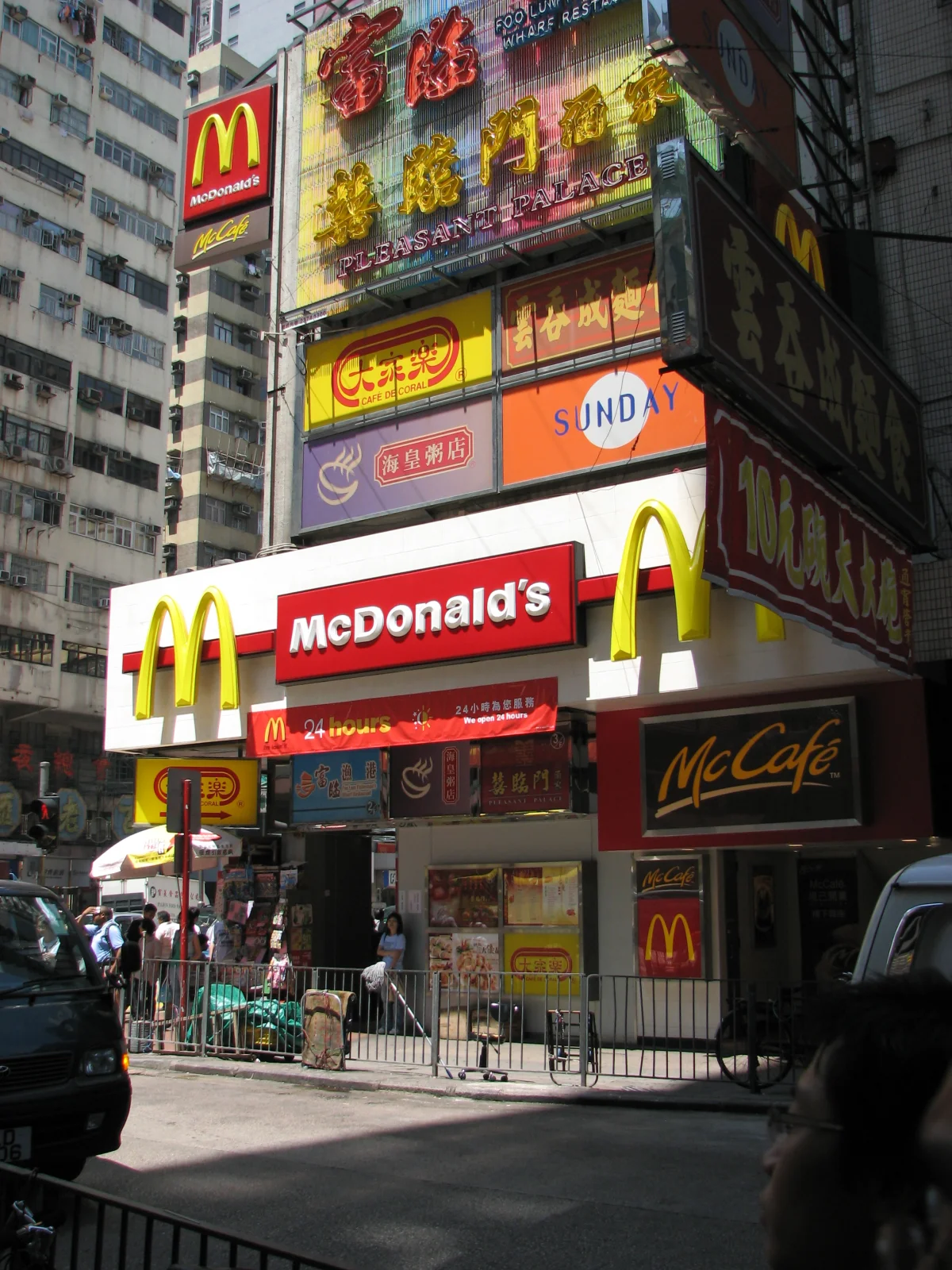
Transnational (multinational) corporations operate across national borders, shifting production to lower-cost locations and sales to wealthier markets. Drivers of globalization, but also sources of labor-market stress, environmental damage, and cultural homogenization.
Effects of Globalization
- Positive. Economic growth, reduction of absolute poverty (though inequality often grows), spread of medicine and technology, cross-cultural exchange.
- Negative. Outsourcing of jobs from wealthy countries, exploitation of workers in poor countries, cultural homogenization, environmental degradation, loss of local autonomy.