
Group Dynamics
Groups change people. Put a person into a group and their performance, judgment, and willingness to take action all shift - sometimes for better, usually for worse. This section covers the most-tested group phenomena.
Social Facilitation
Social facilitation is the tendency for the presence of others to enhance performance on easy/well-learned tasks and impair performance on difficult/novel tasks.
Why? Others’ presence increases arousal (Yerkes-Dodson law from Chapter 5). For simple tasks, higher arousal helps. For complex tasks, higher arousal hurts.
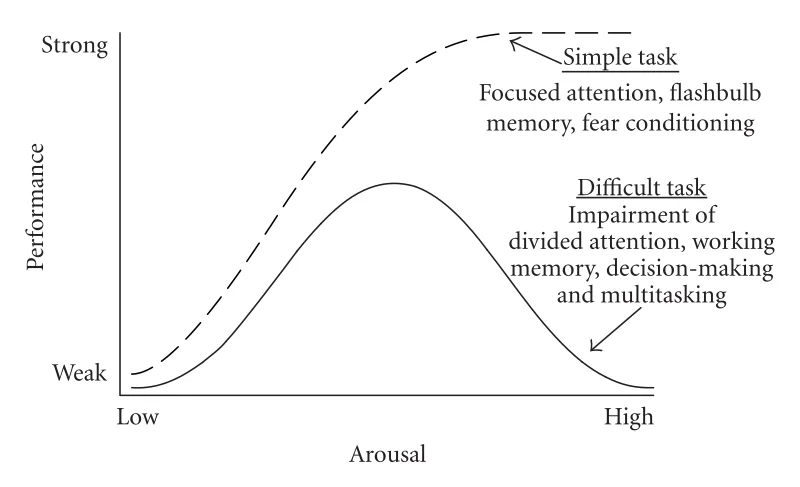
- A skilled runner performs better with a crowd cheering.
- A novice pianist falls apart in front of an audience.
The classic demo (Triplett, 1898): cyclists pedal faster when racing against others than when riding alone.
Social Loafing
Social loafing is the tendency to exert less effort when part of a group than when working alone, especially on tasks where individual contributions aren’t identifiable.
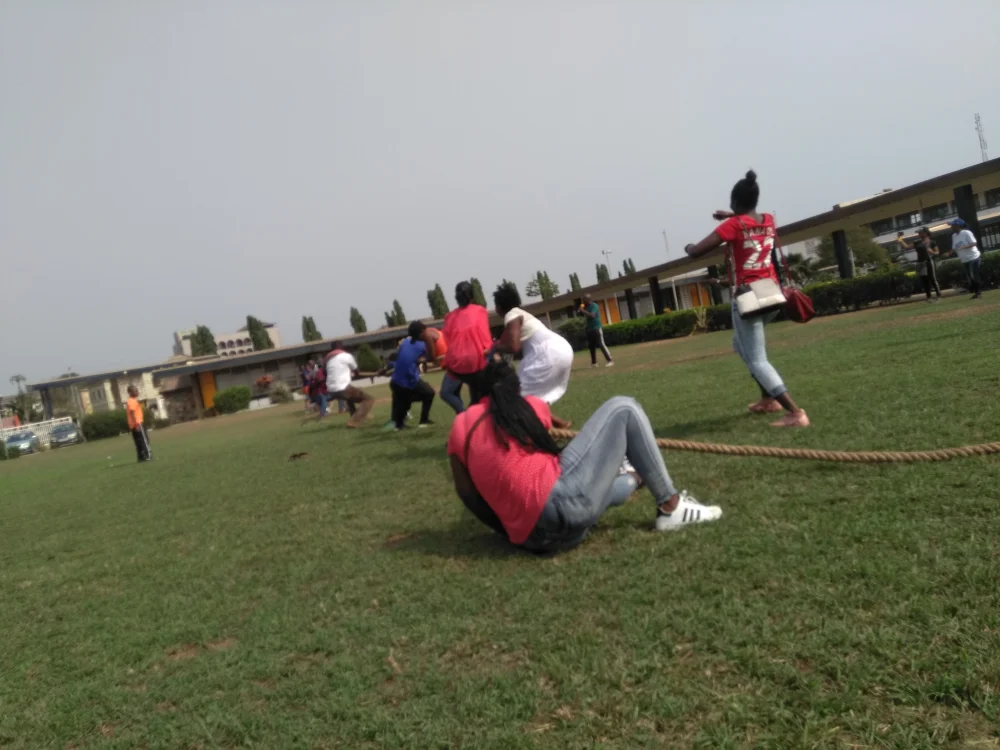
Group projects where grading is collective; rowing teams; brainstorming sessions. Everyone does slightly less work than they would alone, and the group’s total output is less than the sum of individual efforts.
Loafing is reduced when:
- Individual contributions are identified.
- Tasks are challenging and meaningful.
- Group cohesion is high.
- Members feel their contribution matters.
Deindividuation
Deindividuation is the loss of self-awareness and individual accountability when in a group, particularly under conditions of anonymity. Produces behavior that would be inhibited if the person were identifiable - cheering at a sports riot, flaming in online comments, mob violence.
Classic factors:
- Anonymity (masks, darkness, online identities).
- Arousal.
- Diffuse responsibility.
- Large groups.
The Stanford Prison Experiment involved deindividuation (uniforms, shared identity, loss of individuality). Costumes and uniforms produce measurable increases in aggression in experimental settings.
Group Polarization
Groups tend to make more extreme decisions than individuals. Discussion amplifies the group’s initial leaning.
- A mildly conservative group becomes strongly conservative after discussion.
- A mildly risk-tolerant group becomes highly risk-tolerant after discussion.
Why? Hearing arguments that support the initial view strengthens it; social comparison pushes members to demonstrate commitment to the group’s position. Partisan media and echo chambers are prime drivers of group polarization in modern politics.
Groupthink
Groupthink (Janis) is a pattern of dysfunctional group decision-making in which the desire for harmony overrides realistic evaluation of alternatives. Common in cohesive, high-pressure, high-stakes groups with strong leadership.
Features:
- Illusion of invulnerability.
- Belief in the group’s moral superiority.
- Collective rationalization of warnings.
- Pressure on dissenters to conform.
- Self-censorship - members suppress their doubts.
- Illusion of unanimity.
- Self-appointed “mindguards” who filter dissenting information away from the group.
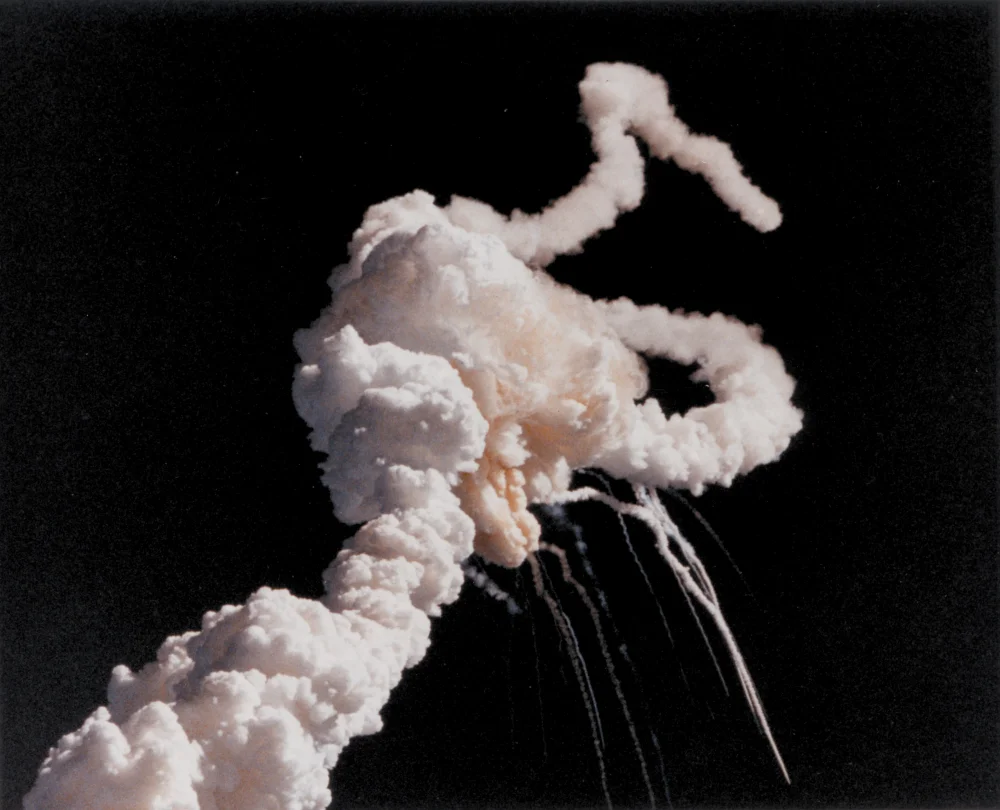
Classic examples: Bay of Pigs invasion, Challenger shuttle disaster, Iraq WMD assessments. Prevention: appointing a devil’s advocate, inviting outside experts, encouraging dissent.
The Bystander Effect
The bystander effect: the more people present during an emergency, the LESS likely any individual is to help. Seems counterintuitive. The MCAT loves it.
The effect is explained by:
- Diffusion of responsibility. “Surely someone else will help.” The moral weight of acting is split across bystanders.
- Pluralistic ignorance. If no one else is reacting, maybe there’s no actual emergency. Everyone looks at everyone else for cues.
- Evaluation apprehension. Fear of looking foolish by misreading the situation.
The Kitty Genovese case (1964) prompted the initial research, though the original reporting (38 witnesses did nothing) was later shown to be exaggerated. The phenomenon itself has been replicated thousands of times.

Darley and Latané’s Decision Tree
To help in an emergency, a person must:
- Notice the event.
- Interpret it as an emergency.
- Assume responsibility to help.
- Know how to help.
- Decide to help.
Failure at any step blocks helping behavior. Groups increase failure particularly at steps 2 and 3.
Factors That Increase Helping
- Smaller crowds or being the only bystander.
- Clear emergencies (hard to misinterpret).
- Similar-looking victim.
- Rural or small-community settings (higher sense of connection).
- Good mood.
- Exposure to models who help.
Peer Pressure
Related to conformity but more directly about influence from peers (people of similar age/status). Especially powerful in adolescence, when identity formation and belonging needs peak simultaneously. Teen risk-taking is notably elevated in the presence of peers - fMRI studies show peer presence amplifies activity in reward-related brain regions while reducing prefrontal inhibition.