
Culture
Culture is the sum of a group’s learned behaviors, beliefs, language, symbols, and material objects. Everything that is passed from one generation to the next through learning rather than genetics is culture.
Material and Symbolic Culture
- Material culture. The physical objects a culture produces - tools, buildings, art, clothing, technology.
- Symbolic (non-material) culture. The ideas, beliefs, values, norms, and language - the immaterial aspects of culture.
The two are linked. Material culture reflects and reinforces symbolic culture (a cathedral expresses religious beliefs; smartphones reflect values of connectivity and individualism).
Components of Symbolic Culture
- Values. Abstract standards about what is good, desirable, or important. Freedom, equality, hard work, family.
- Beliefs. Ideas about what is true. Religious doctrines, scientific facts, conspiracy theories.
- Norms. Expectations for behavior. Covered in Chapter 9.
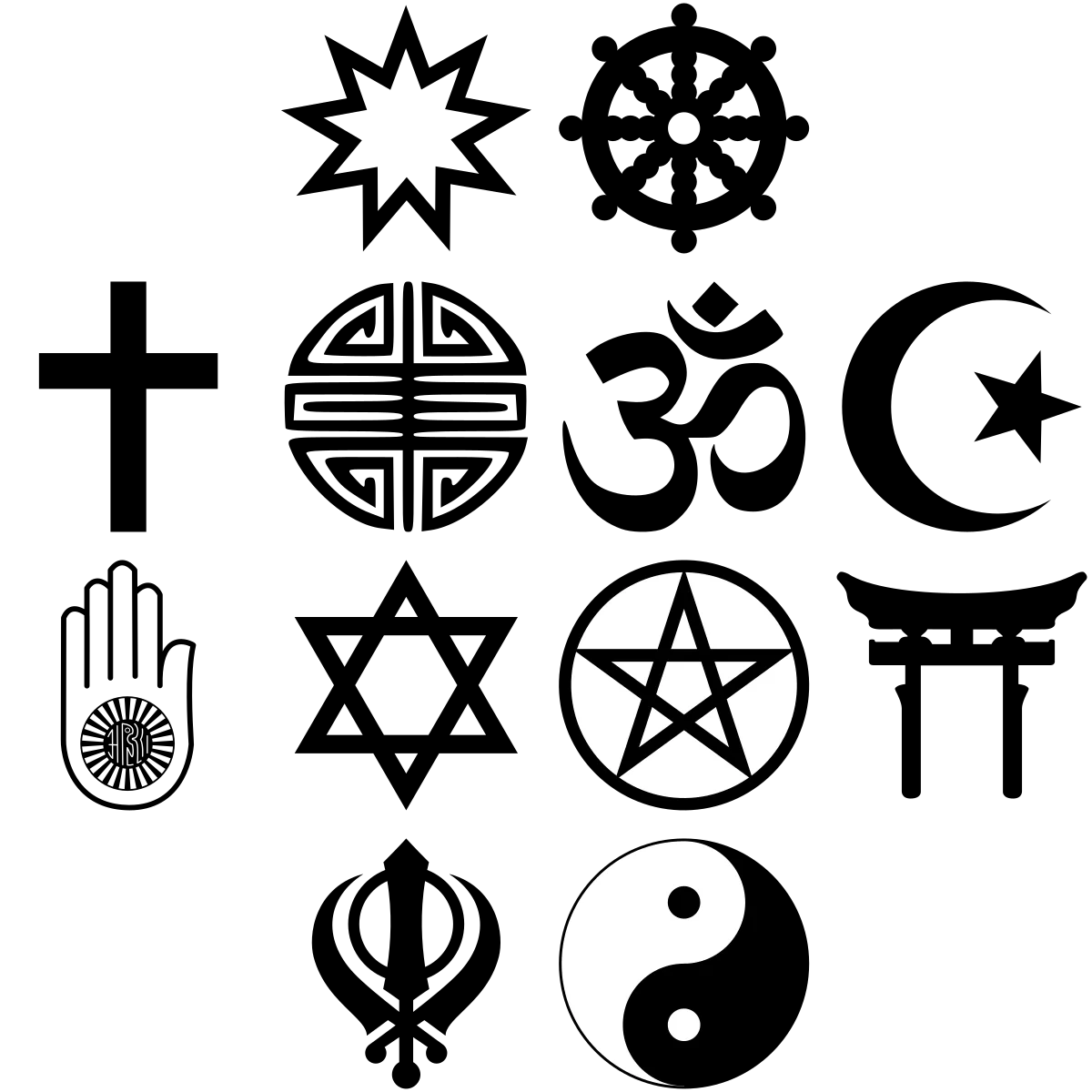
- Symbols. Anything (word, object, gesture, image) that carries a particular meaning. Flags, religious symbols, hand gestures.
- Language. The primary symbolic system of any culture. Shapes and is shaped by culture (see linguistic relativity, Chapter 4).
Subculture and Counterculture
- Subculture. A group within a society that has its own distinct norms, values, and behaviors while still sharing much of the broader culture. Medical students, bikers, goth culture, gaming communities, religious groups.
- Counterculture. A subculture that actively rejects and opposes the dominant culture’s values. 1960s hippies, militant separatist groups.
Medical training essentially immerses students in a specialized subculture with its own language, rituals, and values.

Cultural Relativism and Ethnocentrism (Revisited)
Already introduced in Chapter 9. Worth a quick reminder:
- Cultural relativism - evaluating practices within their own cultural context rather than by outside standards. Good anthropological stance.
- Ethnocentrism - judging others by one’s own standards, typically negatively. Human tendency; can distort cross-cultural interactions.
Cultural Lag
Cultural lag (Ogburn): material culture often changes faster than non-material culture. Technology races ahead; norms, laws, and beliefs struggle to catch up.
Examples:
- Internet technology existed for 20+ years before meaningful norms about online privacy, misinformation, and digital platforms emerged.
- Medical technology that enables life-extending treatments outpaces ethical and legal frameworks for end-of-life decisions.
- Social media platforms create new possibilities (and harms) that laws haven’t yet addressed.
Cultural Shock
Cultural shock is the disorientation people experience when encountering a culture very different from their own. Common phases: honeymoon (excited by novelty), frustration (irritation at differences), adjustment (understanding increases), mastery/acceptance (comfortable functioning in new culture).
Medical students entering clinical rotations often experience a form of cultural shock as they move from classroom to hospital norms.
Cultural Diffusion
Diffusion is the spread of cultural elements (ideas, practices, objects) from one culture to another. Has accelerated dramatically with globalization and mass communication. Examples: spread of K-pop and anime worldwide, adoption of smartphones and social media across cultures, dietary changes following McDonald’s and Starbucks.
Diffusion can preserve or erode local cultures, depending on whether adopted elements replace or coexist with local practices.
Mass Media and Cultural Change
Mass media (TV, film, social media, internet) massively accelerates cultural change. Effects:
- Homogenization. Similar content reaches billions, potentially flattening cultural differences.
- Fragmentation. Niche audiences develop around specific content, creating diverse subcultures.
- Amplification. Certain voices and ideas get outsized reach.
- Misinformation. False information can spread faster than corrections.
Sociologists debate whether mass media strengthens or weakens cultural diversity - the evidence points to both simultaneously at different levels.

Evolution and Human Culture
Culture is often thought of as distinct from biology, but biologists and anthropologists argue that culture itself is an evolutionary adaptation. Human ability to accumulate knowledge across generations - teaching, learning, language - is arguably the key feature that enables human dominance over other species. We inherit not just genes but a cultural repertoire.
Dual inheritance theory: humans evolve through BOTH genetic and cultural inheritance, which sometimes interact (lactase persistence evolved in populations with dairying cultures; alcohol metabolism differs between populations with and without historical alcohol use).