
Biological Roles
This synthesis section ties together the organic chemistry of amines, amides, amino acids, and phosphates with their biological roles. Every biomolecule in this chapter has a chemical story rooted in Chs 5-9 mechanism chemistry.
Neurotransmitters
Many neurotransmitters are simple amines:
- Acetylcholine = choline (quaternary ammonium) acetylated at the hydroxyl. An ester linking an alcohol to acetate.
- Serotonin = 5-hydroxytryptamine, derived from tryptophan by decarboxylation + hydroxylation.
- Dopamine, norepinephrine, epinephrine = catecholamines, all aromatic with amine and hydroxyl groups.
- Histamine = histidine minus its carboxyl group (decarboxylation).
- GABA (gamma-aminobutyric acid) = glutamate minus its alpha-carboxyl (decarboxylation).
Biosynthesis of these involves PLP-dependent decarboxylases and aromatic hydroxylases.
Alkaloid Natural Products
Plant alkaloids are nitrogen-containing natural products with often potent biological effects:
- Nicotine (tobacco): pyridine + pyrrolidine rings.
- Morphine, codeine (poppy): complex polycyclic amine.
- Caffeine (coffee, tea): purine derivative.
- Quinine (Cinchona bark, antimalarial): quinoline + amine.
- Cocaine (coca leaves): tropane alkaloid, also contains esters.
These are drug templates and targets - many are Schedule I or Schedule II controlled substances because of their psychoactive or toxic effects.
Protein Phosphorylation
Kinases transfer phosphate from ATP to serine, threonine, or tyrosine residues in proteins:
Protein-Ser-OH + ATP → Protein-Ser-OPO₃²⁻ + ADP.
Phosphorylation is one of the main post-translational modifications used for cellular signaling. It alters protein conformation, activity, stability, and localization. Phosphatases remove phosphate, reversing the modification.
About 30% of proteins are regulated by phosphorylation. Major pathways: MAPK, PI3K/AKT, cAMP/PKA, insulin signaling, cell cycle (CDKs). Drug discovery often targets kinases (e.g., tyrosine kinase inhibitors for cancer).
DNA and RNA Backbones
DNA is a polymer of deoxyribonucleotides connected by phosphodiester bonds: 3’-OH of one deoxyribose + 5’-phosphate of the next deoxyribose. The bases (A, T, G, C) hang off the backbone and do the H-bonding that encodes genetic information.
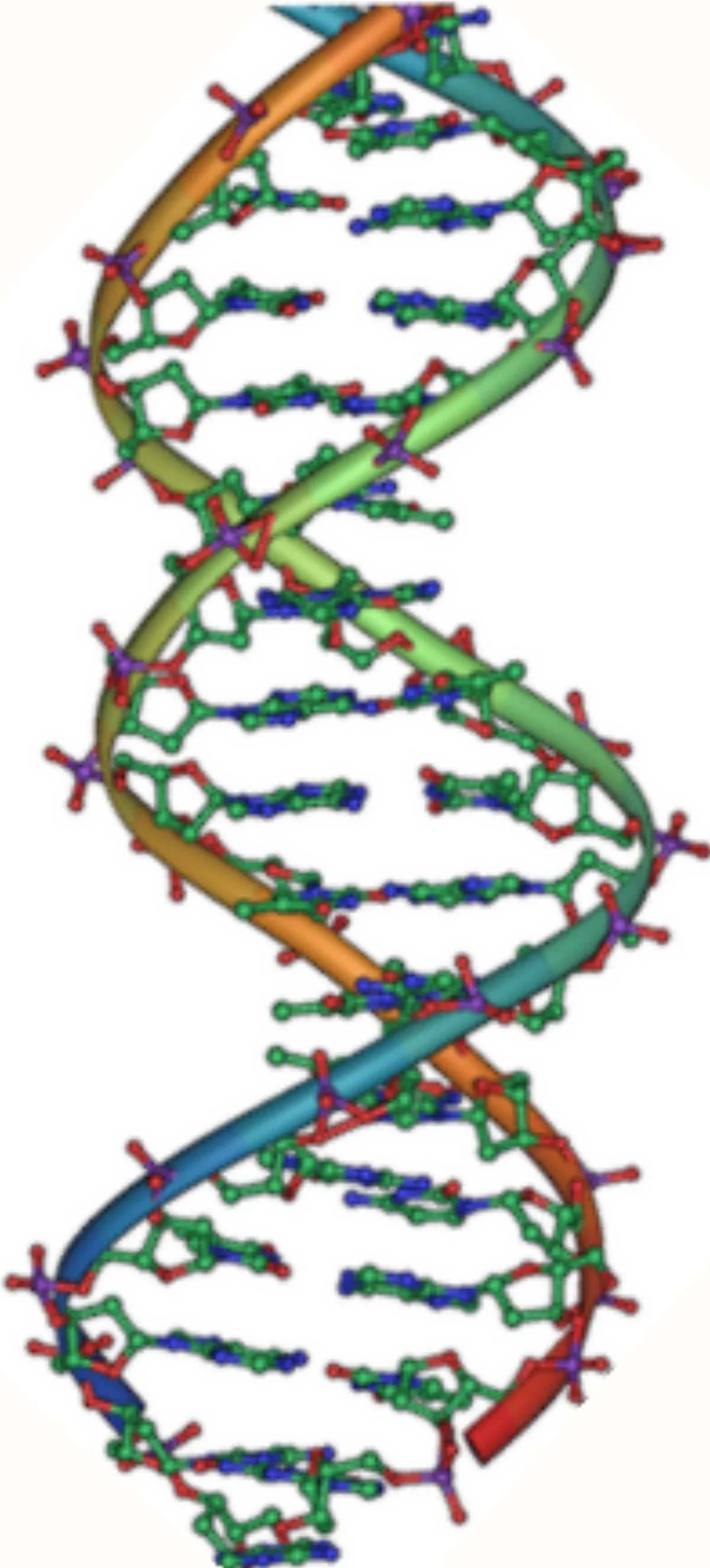
RNA has the same backbone but with ribose (2’-OH) instead of deoxyribose. The 2’-OH makes RNA more susceptible to hydrolysis (it can attack the phosphate internally). This is why DNA is more stable and is the genetic storage medium, while RNA is more transient.
Hydrolysis of DNA or RNA backbones requires nuclease enzymes. Without them, DNA’s half-life is millions of years; RNA’s is on the order of hours to days depending on conditions.
Second Messengers
Several phosphate-containing molecules serve as signaling second messengers:
- cAMP (cyclic AMP): a cyclic phosphodiester, the classic second messenger downstream of Gs-coupled receptors.
- cGMP: similar to cAMP, downstream of vision and nitric oxide signaling.
- IP3 (inositol trisphosphate): a heavily phosphorylated inositol ring that triggers Ca²⁺ release from the ER.
- DAG (diacylglycerol): not a phosphate but paired with IP3 from PIP2 cleavage.
All of these are produced enzymatically from phospholipid or ATP substrates.
Urea Cycle and Nitrogen Disposal
Nitrogen (from protein breakdown) is toxic as NH₃/NH₄⁺. Mammals convert it to urea (H₂N-CO-NH₂, a diamide of carbonic acid) via the urea cycle. Urea is excreted in urine; it is chemically stable and non-toxic.
Urea’s diamide structure explains its stability (both amide bonds are unreactive under physiological conditions) and its water solubility (two amide groups are strong H-bond donors and acceptors).
The Big Picture
Nitrogen and phosphorus are unique among elements in their biological versatility:
- Nitrogen: four bonds to C and H give amines (basic), amides (neutral, planar), heterocycles (aromatic), nitrates (leaving groups). Spans multiple oxidation states (-3 to +5).
- Phosphorus: spanning oxidation states (-3 to +5), five-coordinate transition states in enzyme reactions, phosphoester and phosphoanhydride bonds for energy.
Together, they form the chemical framework for proteins (amides), nucleic acids (phosphodiesters), membranes (phospholipids), and the universal energy currency (ATP).