
Coping and Stress Effects
Short-term stress is adaptive. Chronic stress is a slow-acting poison. This section covers what prolonged stress does to the body and mind, and the strategies that research shows actually help people cope.
Physical Effects of Chronic Stress
Sustained elevation of cortisol and sympathetic activity damages virtually every organ system.
Cardiovascular System
- Elevated blood pressure (hypertension).
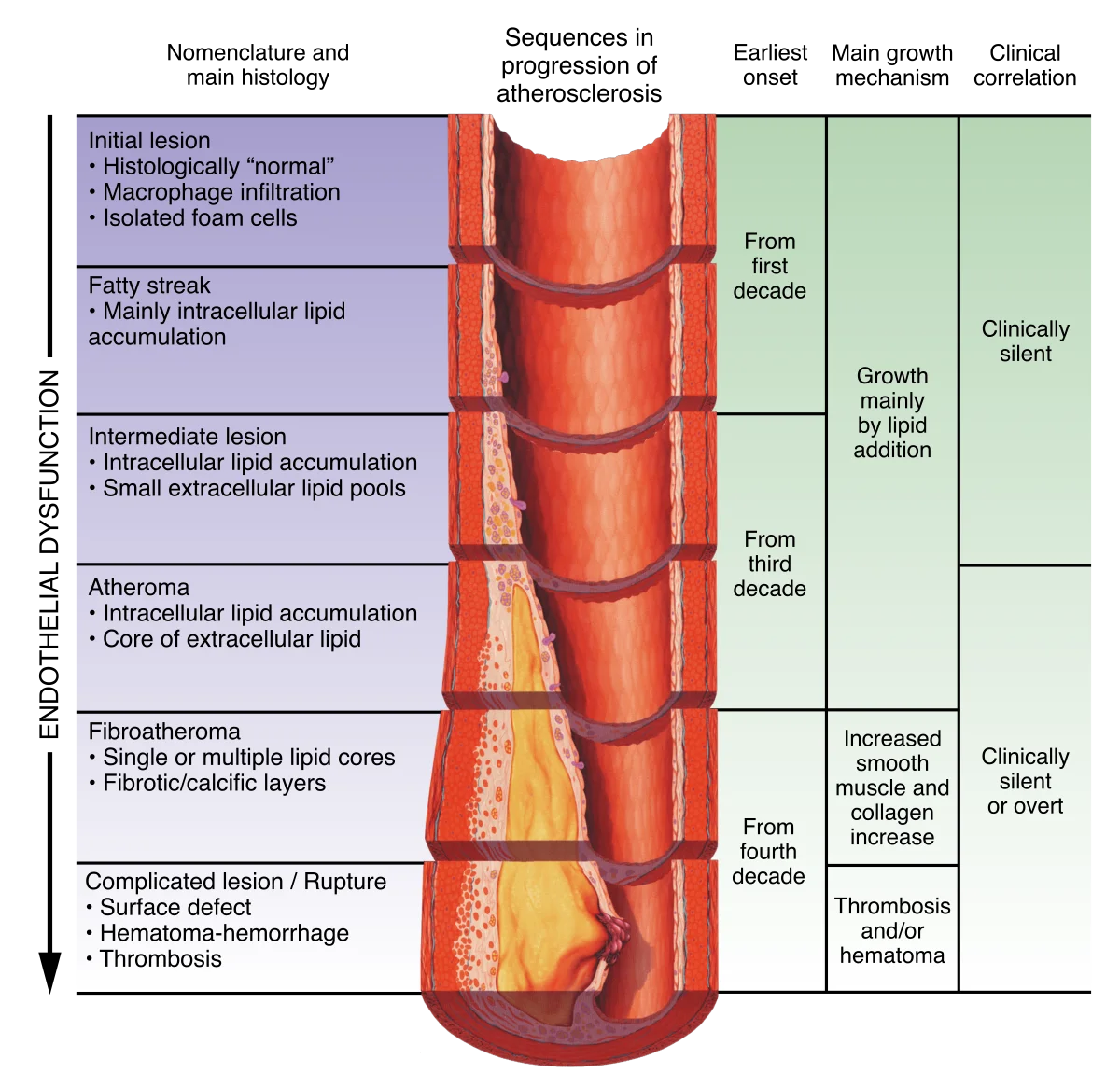
- Blood vessel walls stiffen and develop microdamage.
- Fat deposits in vessel walls narrow them (atherosclerosis).
- Increased risk of coronary artery disease, stroke, and heart attack.
Metabolic System
- Cortisol and glucagon raise blood glucose persistently.
- Chronically elevated glucose can worsen insulin resistance and type 2 diabetes.
- Visceral fat accumulation increases.
Reproductive System
- Stress diverts energy from reproduction.
- Women: FSH/LH and estrogen/progesterone can be suppressed, disrupting fertility.
- Men: testosterone drops (though rarely to infertile levels); erectile dysfunction common due to peripheral vasoconstriction.
Immune System
- Acute stress increases immune activity briefly (sometimes producing inflammation, even autoimmune-like damage such as arthritis flares).
- Chronic stress suppresses immune function. Increased susceptibility to colds and infections, slower wound healing. Studies show ~40% slower healing in graduate students assessed right before exam week compared to vacation.
Behavioral and Emotional Effects
Two of the big glucocorticoid-receptor-rich regions - the hippocampus and frontal cortex - atrophy under chronic stress, producing:
Depression
A major emotional consequence. Anhedonia (inability to feel pleasure) is the hallmark - everything feels draining. The anterior cingulate cortex stops responding to serotonin, a biomarker of stress-induced depression.
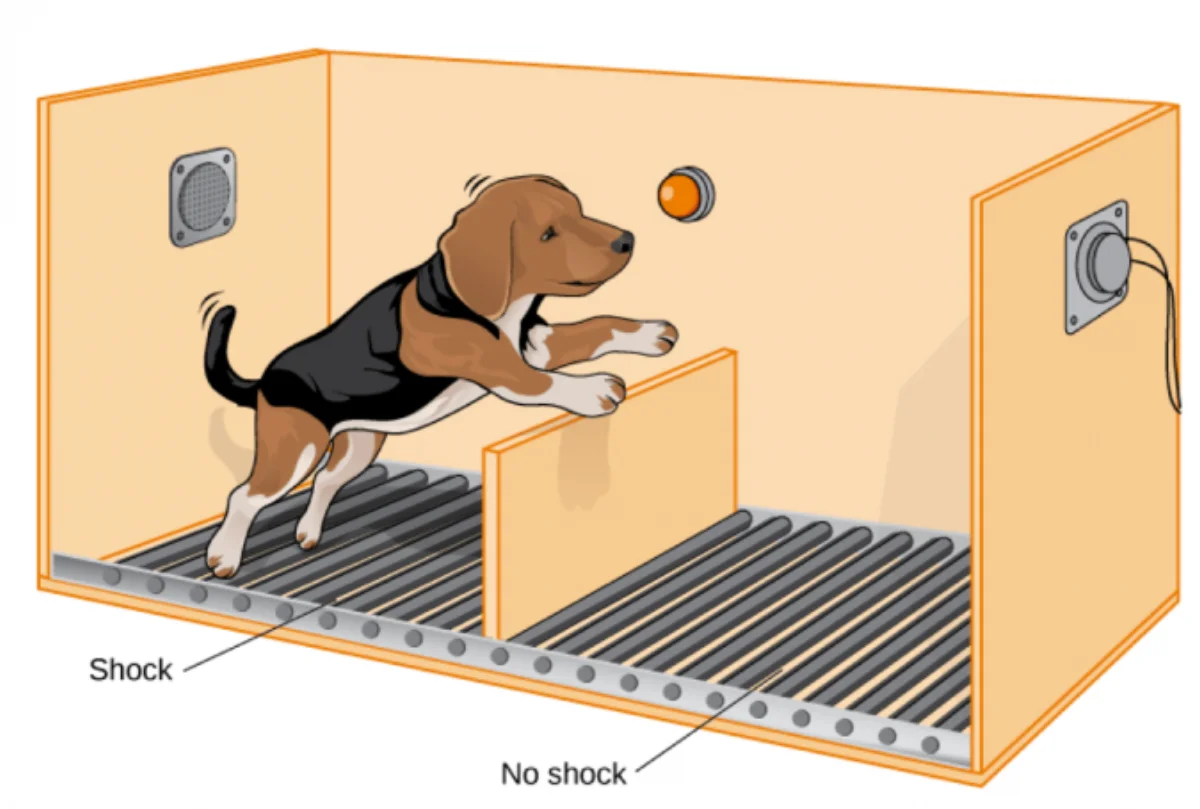
Learned helplessness (Seligman) - when you repeatedly face uncontrollable stress, you stop trying to cope. The behavior generalizes: animals in uncontrollable-shock experiments fail to escape even when escape later becomes available. In humans, learned helplessness contributes to clinical depression.
Type A Personality and Heart Disease
Friedman and Rosenman’s classic study showed that Type A individuals - competitive, impatient, easily angered - have higher rates of heart attacks than Type B individuals (relaxed, easy-going). The toxic component is hostility/anger, not the ambition itself. Accompanies the “fight” aspect of the sympathetic response.
Anxiety
Amygdala-driven. Things that wouldn’t normally alarm the person now feel threatening. Accompanies the “flight” aspect of sympathetic activation.
Addiction
Reaching for alcohol, tobacco, food, or drugs to cope. Impaired frontal-cortex judgment makes inappropriate coping mechanisms more likely.
Mnemonic for the three emotional A-responses: Anger, Anxiety, Addiction (“Stress has three S’s… and they correspond to three As”).
Coping: What Actually Works
Coping is the conscious effort to master, reduce, or tolerate stress. Broadly:
- Problem-focused coping. Directly attack the stressor. Make a list, solve the problem, change the environment. Works best when the stressor is controllable.
- Emotion-focused coping. Manage the emotional response rather than the cause. Helpful for uncontrollable stressors (grief, chronic illness). Includes reappraisal, acceptance, and seeking comfort.
Effective coping strategies:
Perceived Control
Lack of control is a major amplifier of stress. Robert Sapolsky’s baboon research (the low-status animals experienced enormous stress) and the Whitehall Study of British civil servants (lower-ranked workers had worse health, controlling for other factors) both show that low perceived control multiplies stress effects. Advice: find the domains of life where you can exert control.
Social Support
One of the most reliable buffers. Having people to talk to reduces cortisol, improves sleep and eating, and accelerates stress recovery. Married couples (on average) live longer than unmarried peers; close friendships associate with lower mortality.
Exercise
20–30 minutes of aerobic exercise daily reduces cardiovascular risk, improves mood, and promotes neurogenesis (new neurons, especially in the hippocampus). Possibly the single most evidence-backed stress intervention.
Meditation and Relaxation Techniques
Reduce heart rate, blood pressure, and cholesterol. Progressive muscle relaxation, breath-focused meditation, and mindfulness-based stress reduction all show research support.
Optimism and Humor
Optimistic appraisals of setbacks reduce stress responses. Humor provides distance from the stressor and engages social support simultaneously.
Proactive Coping
Anticipating stressors and preparing for them before they arrive. Planning a difficult conversation, packing in advance, budgeting for irregular expenses.
Meaning-Focused Coping
Deriving meaning from the stressful experience. Particularly helpful for trauma and chronic illness.
Maladaptive Coping
Defense mechanisms and avoidance can reduce short-term distress while worsening long-term outcomes. Examples of maladaptive coping:
- Denial. Refusing to acknowledge the stressor.
- Avoidance. Staying away from reminders or triggers; can evolve into anxiety disorders.
- Substance use. Alcohol, tobacco, drugs as escape.
- Rumination. Repetitively going over the problem without progress; strongly linked to depression.
- Displacement. Taking frustration out on someone uninvolved.