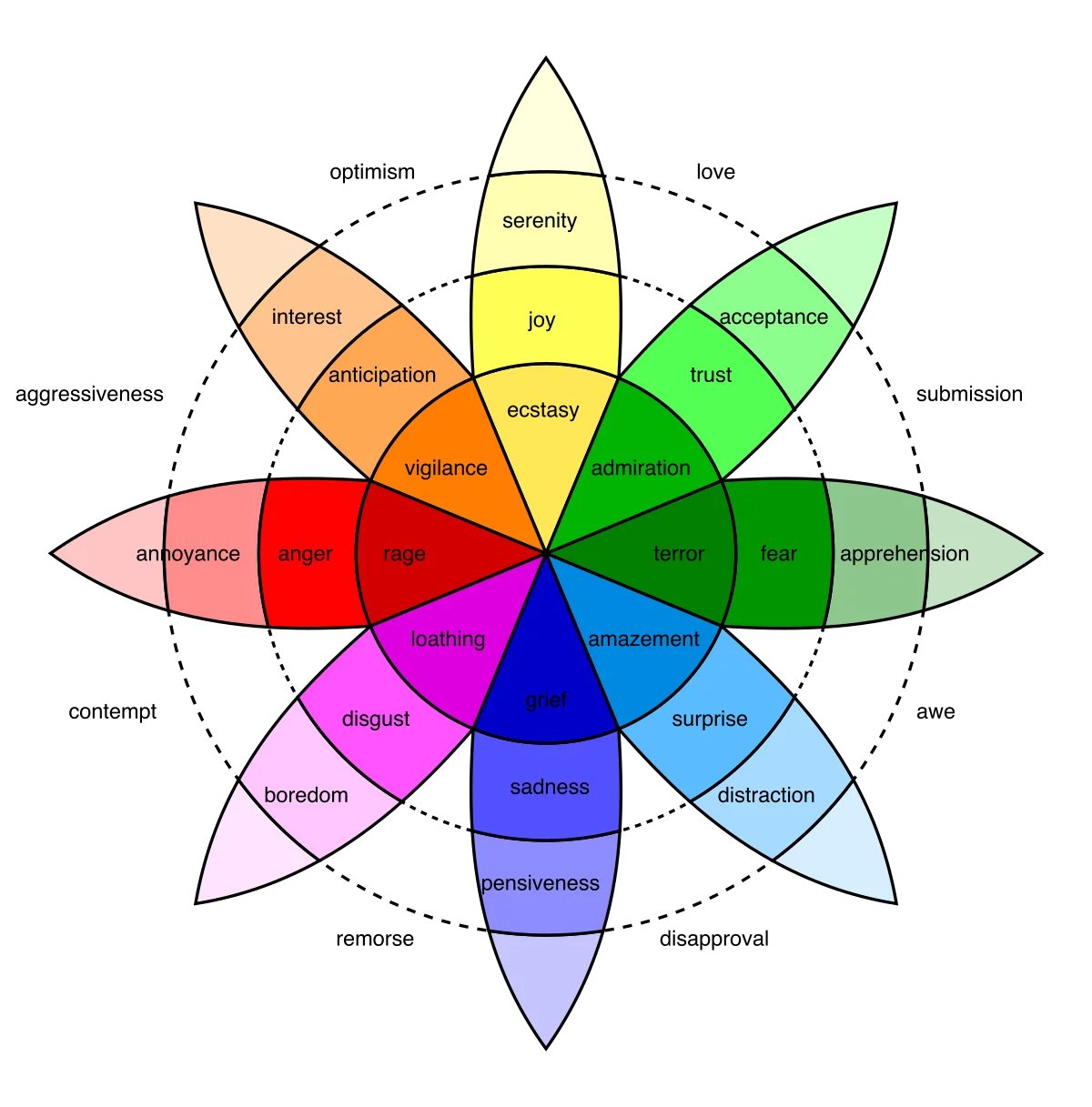
The Limbic System and the Components of Emotion
An emotion is not a single thing. It is three things working at once: a physiological response (your heart rate changes), a behavioral response (your face contorts), and a cognitive response (you appraise what’s happening and label it “fear” or “joy”). Different theories of emotion disagree about which comes first, but all three are always involved.
This section introduces the brain machinery that generates emotion and the three-part anatomy of an emotional experience.
The Limbic System: Emotion’s Home
The limbic system is a loosely grouped set of structures that handle emotion, memory, and motivation. Not all neuroscientists agree on exactly which structures belong - but four are universally included.
Mnemonic: “Hippo wearing a HAT” - Hypothalamus, Amygdala, Thalamus, and Hippocampus.
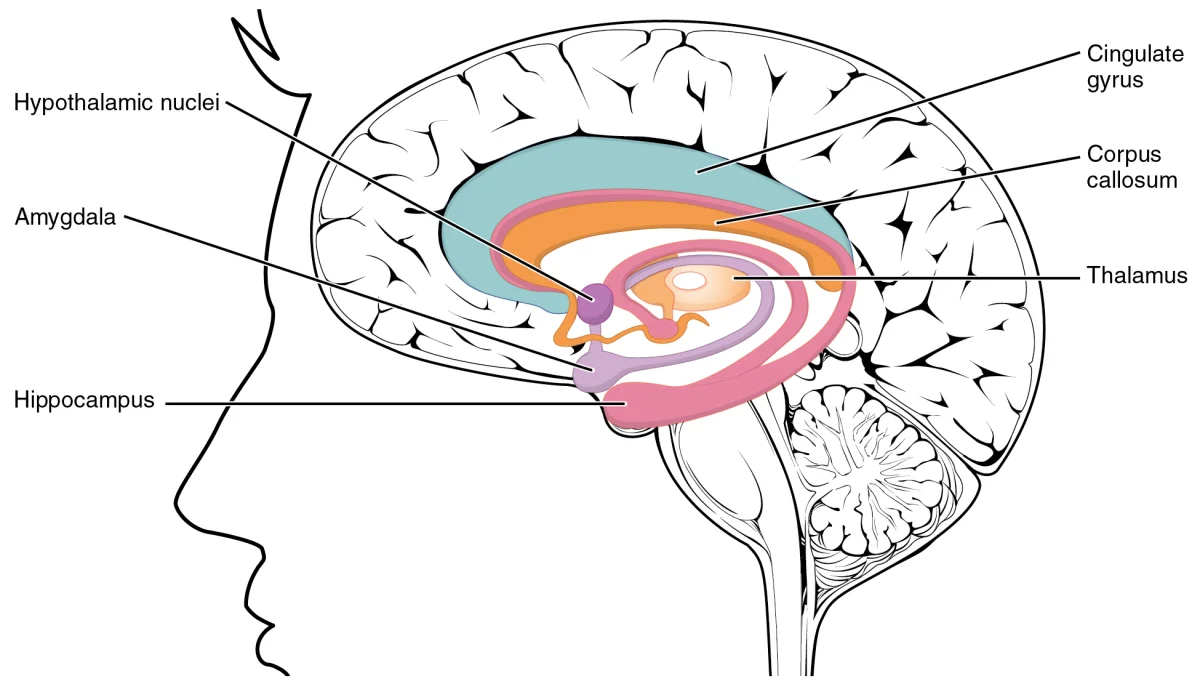
Amygdala
The amygdala is the fear and aggression hub. Stimulate it and you get anger, violence, or fear. Destroy it bilaterally (as in rare monkey experiments or human disease) and you get Kluver-Bucy syndrome: hyperorality (putting things in the mouth), hypersexuality, and disinhibited behavior. Benzodiazepines reduce amygdala activity, which is why they are used to treat anxiety.
The amygdala also attaches emotional salience to memories. A bland fact versus a terrifying event - the amygdala is why the terrifying event is better remembered.
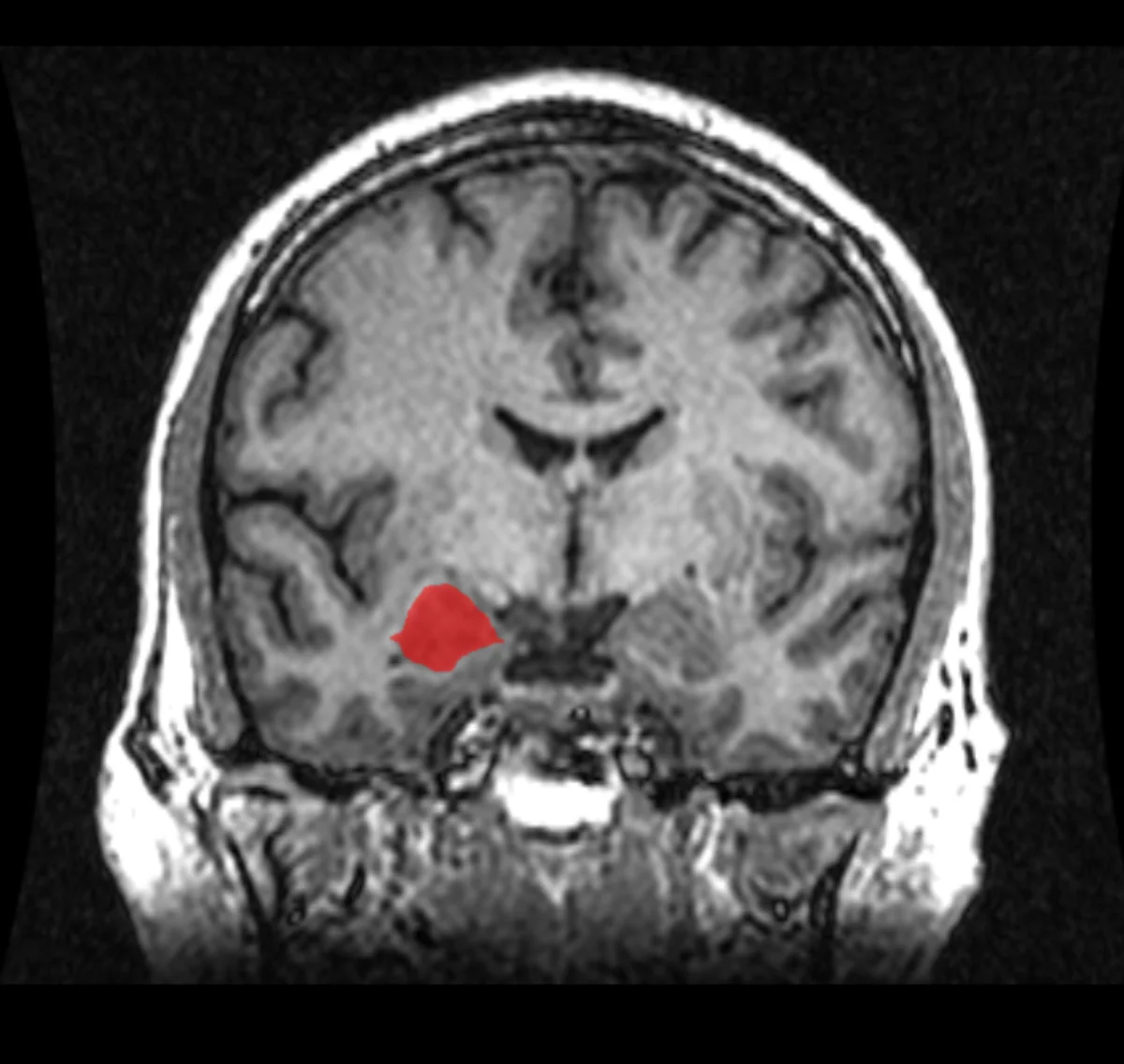
Hippocampus
The hippocampus converts short-term memory to long-term memory (you met it in the memory chapter). Damage produces anterograde amnesia - old memories preserved, no new ones formed. Emotionally charged memories are encoded here, tagged by the amygdala next door.
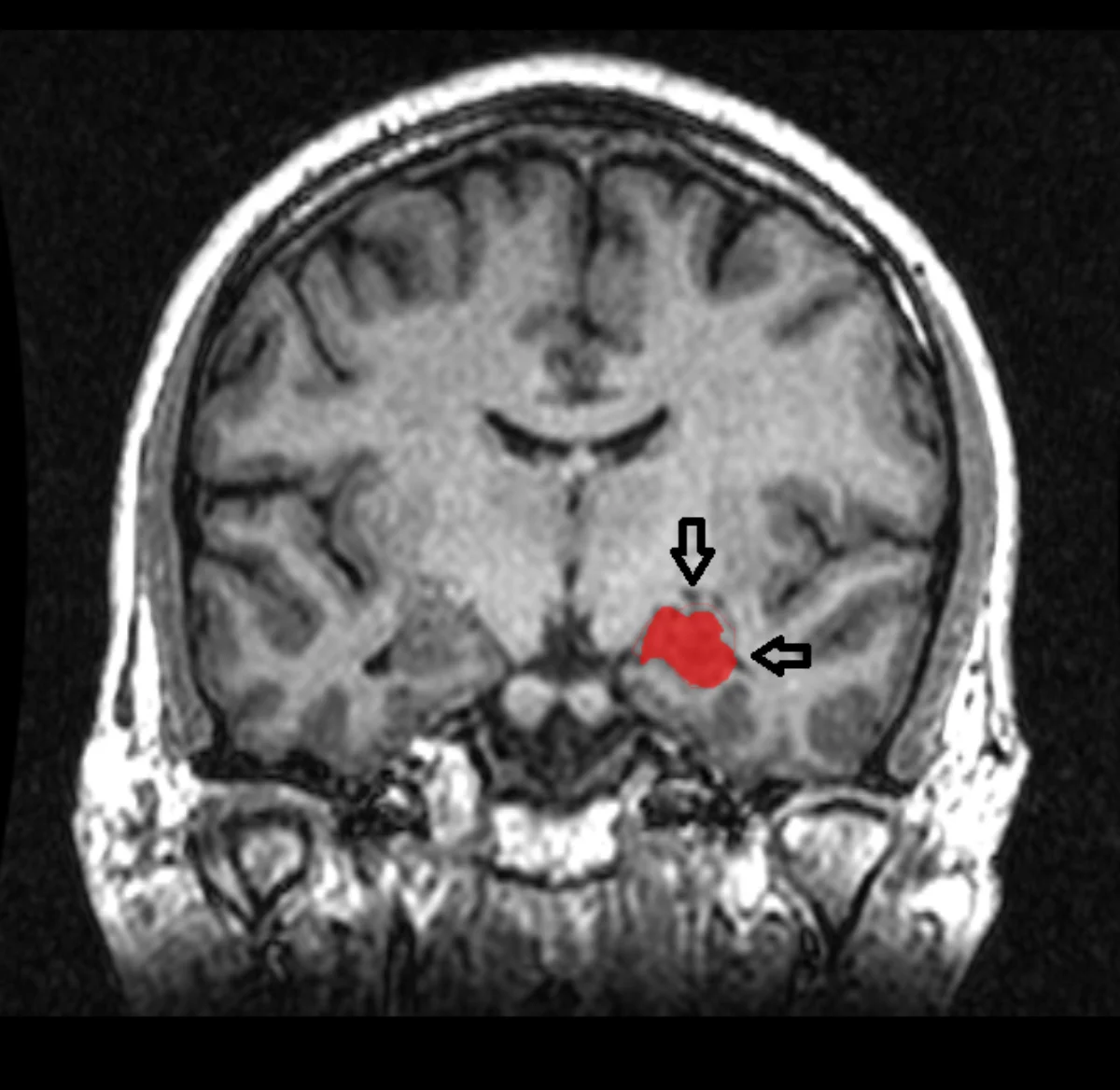
Thalamus
The thalamus is the brain’s sensory relay. Almost all sensory input routes through the thalamus before reaching the cortex (smell is the famous exception). Emotions depend on sensory input, so damage to the thalamus can flatten emotional responsiveness.
Hypothalamus
The hypothalamus (“below the thalamus”) regulates the autonomic nervous system and coordinates hormone release through the pituitary. It drives hunger, thirst, body temperature, sex, and the fight-or-flight response. When you’re stressed, the hypothalamus orchestrates the physiological cascade.
Cerebral Hemispheres and the Prefrontal Cortex
Above the limbic system, the cerebral cortex modulates and labels emotion.
Left vs. Right Hemisphere
Functional brain imaging shows a rough asymmetry:
- Left hemisphere shows greater activity during positive emotions (joy, interest, enthusiasm).
- Right hemisphere shows greater activity during negative emotions (fear, sadness).
Socially engaged children often show greater left-hemisphere activation; withdrawn children lean right-hemisphere. This pattern is not absolute - real emotions recruit both sides - but it is a testable MCAT fact.
Prefrontal Cortex
The prefrontal cortex handles higher-order executive function: planning, decision-making, and social behavior. It also inhibits primitive limbic responses (you don’t actually punch the person who cut the lunch line).
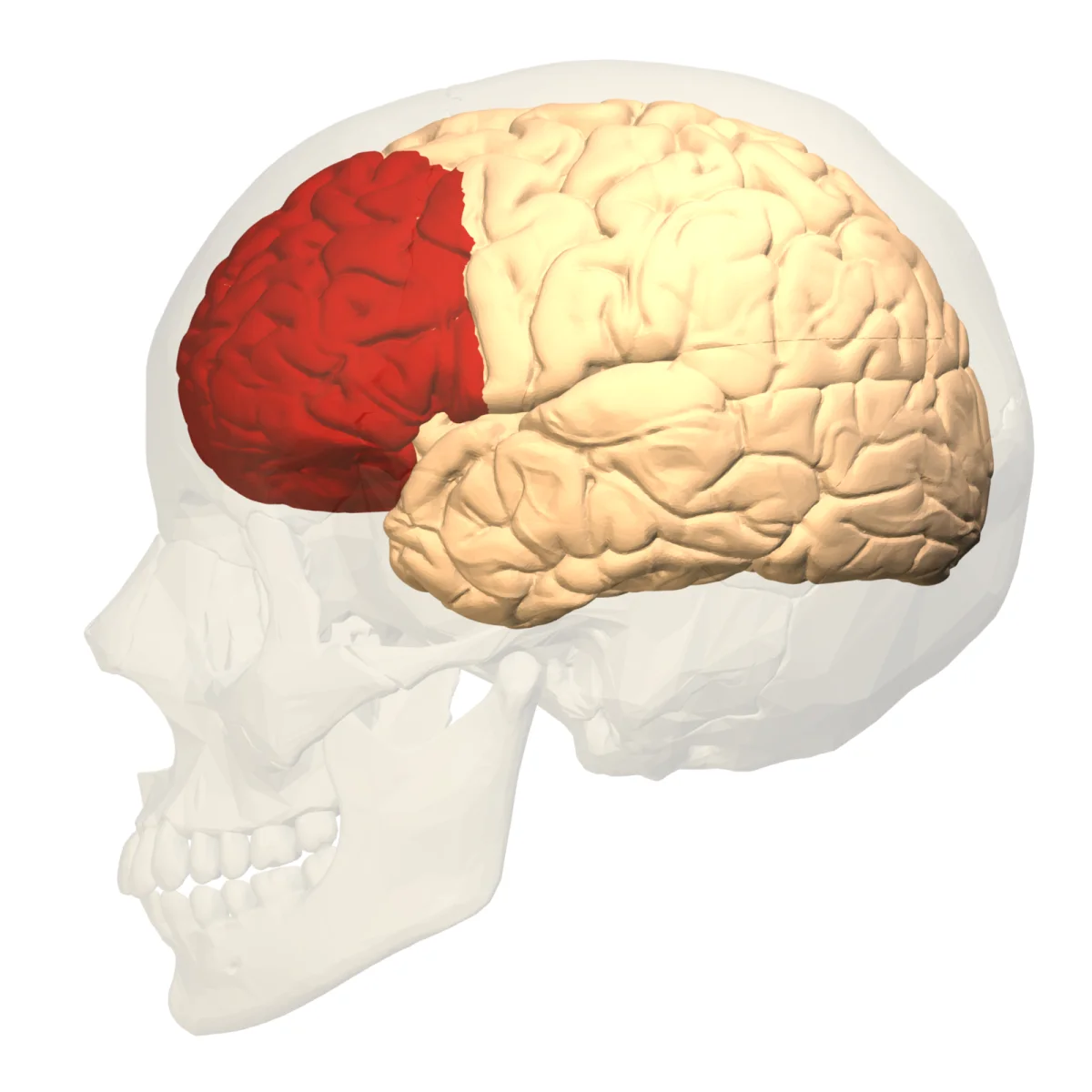
The famous Phineas Gage case: a 19th-century railroad worker had an iron rod blown through his prefrontal cortex. He survived, but his personality flipped - he became impulsive, rude, and unable to hold a job. The case became foundational evidence that the prefrontal cortex governs emotional regulation and social conduct.

The Autonomic Nervous System in Emotion
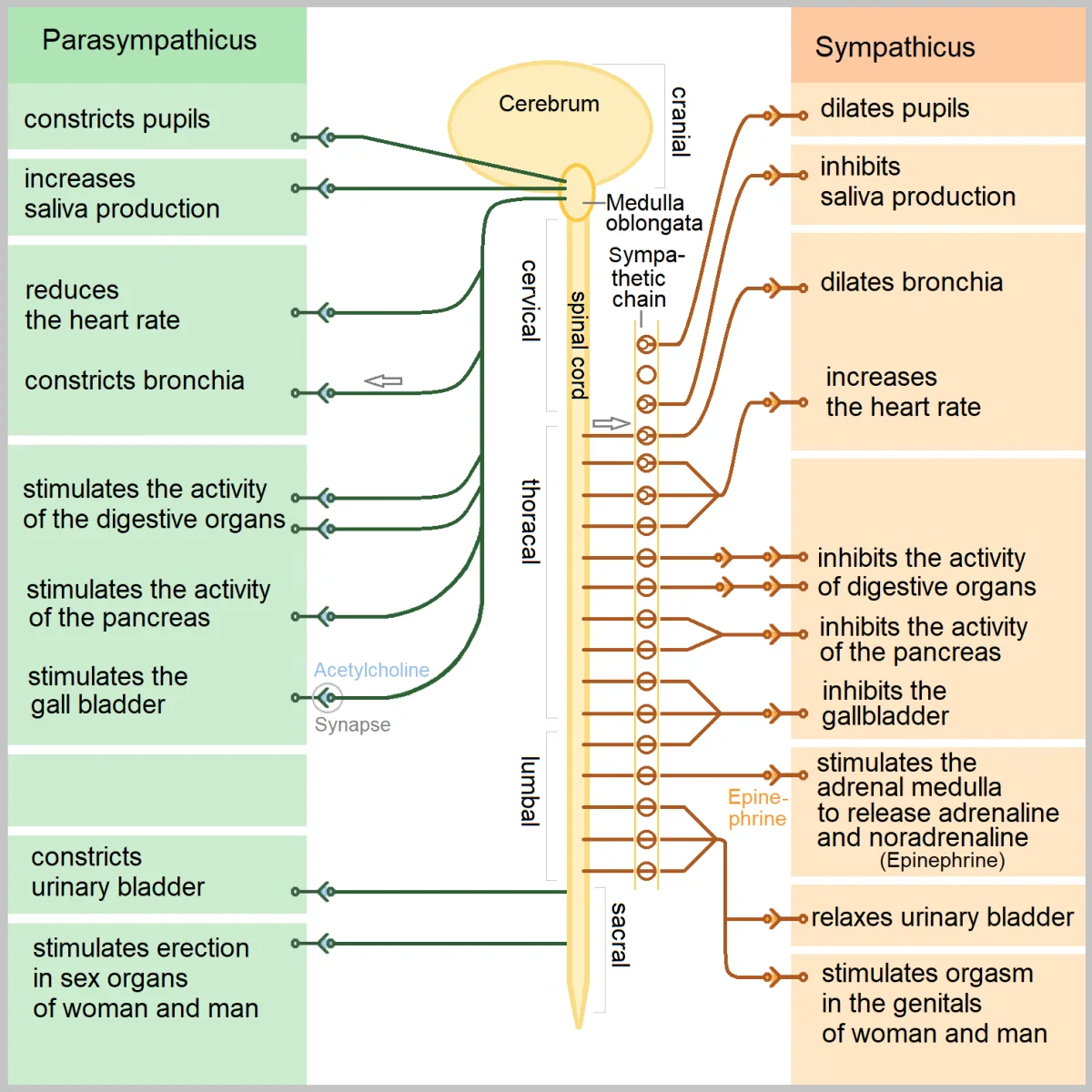
Emotion’s physiological component is driven by the autonomic nervous system (ANS), which has two opposing branches:
- Sympathetic - “fight or flight.” Activated by fear, anger, excitement, or exertion.
- Pupils dilate
- Salivation decreases
- Heart rate and respiration increase
- Glucose release increases (energy to the muscles)
- Adrenaline (epinephrine) and norepinephrine released
- Digestion decreases
- Parasympathetic - “rest and digest.” Activated during calm states.
- Pupils constrict
- Salivation increases
- Heart rate and respiration decrease
- Digestion increases
- Blood returns to the viscera
The two branches are antagonistic - when one is dominant, the other is quieter. A stressful MCAT question spikes sympathetic tone; a post-exam nap swings you parasympathetic.
The Three Components of Emotion
Any emotion - joy, sadness, fear, anger - involves three simultaneous components:
- Physiological. Heart rate, breathing, muscle tension, hormone release.
- Behavioral. Facial expression, body posture, voice tone.
- Cognitive. The appraisal of the situation (“this is dangerous”), the label (“I feel afraid”), and the conscious experience of emotion.
Remove any component and the “emotion” is incomplete. A patient with facial paralysis still feels happy - but reports reduced emotional intensity, showing that behavior feeds back into the experience.
Universal Emotions: Paul Ekman
Paul Ekman identified six basic emotions with consistent facial expressions across all human cultures, including isolated tribes with no media exposure:
- Happiness - raised cheeks, smile, crow’s feet
- Sadness - drooping eyelids, upturned inner eyebrows
- Surprise - raised eyebrows, open mouth, widened eyes
- Fear - eyebrows up and together, lips drawn back
- Disgust - wrinkled nose, raised upper lip
- Anger - lowered eyebrows, tight lips
Mnemonic: FAHDSS (Fear, Anger, Happiness, Disgust, Sadness, Surprise).

Darwin hypothesized these emotions are innate and adaptive - useful for survival. Evidence: newborns show these facial expressions before any learning; blind individuals make the same facial expressions as sighted ones even though they have never seen them modeled.