
Non-Mendelian Genetics
Mendel got lucky with his pea plants. Every trait he studied showed clean, complete dominance - one allele fully masked the other. But most real-world traits are messier. Sometimes neither allele wins. Sometimes both show up. Sometimes one gene blocks another gene entirely. These “exceptions” to Mendel’s rules are collectively called non-Mendelian inheritance, and they are heavily tested on the MCAT.
Incomplete Dominance
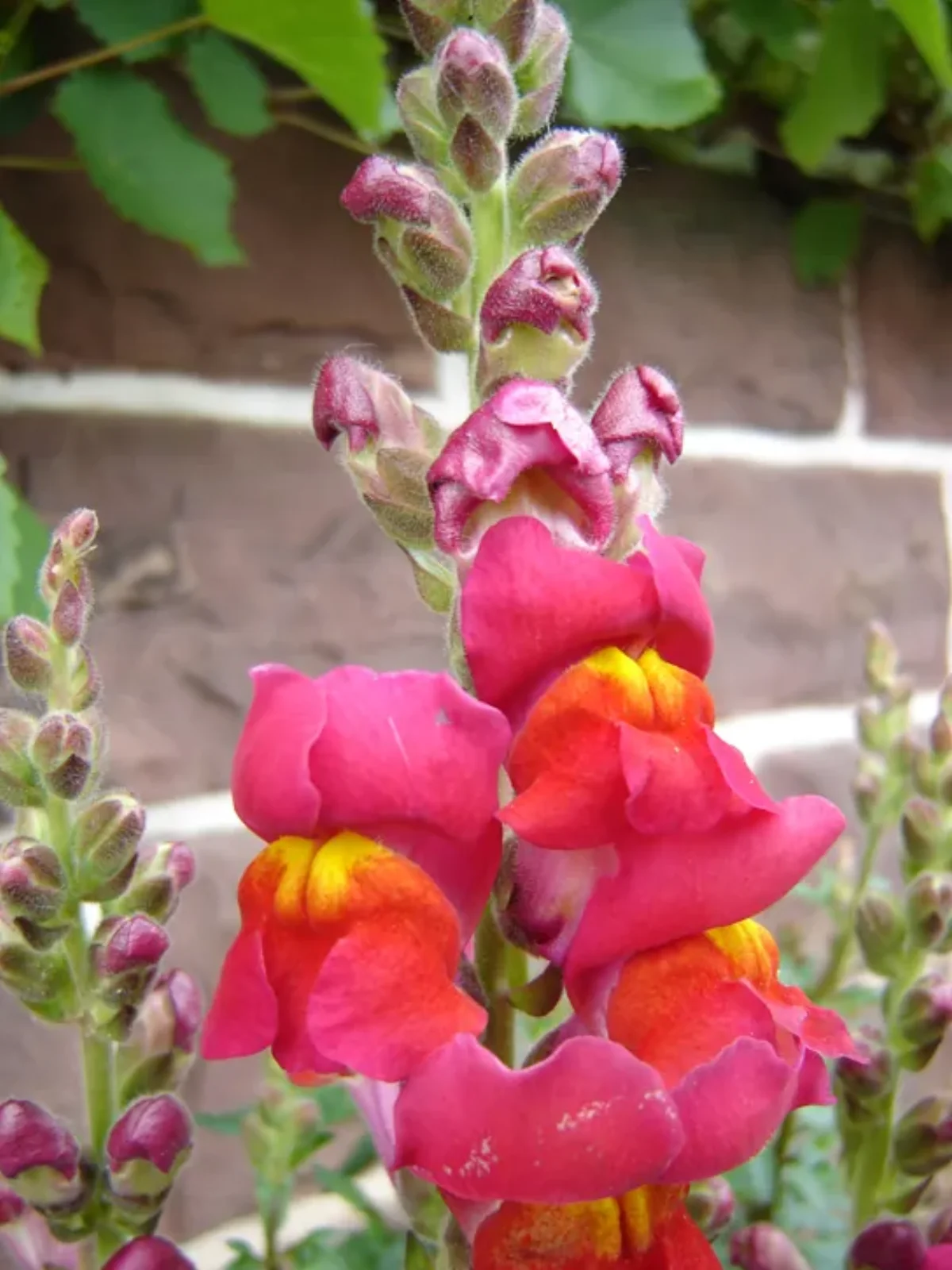
In incomplete dominance, the heterozygote phenotype is a blend of the two homozygous phenotypes. Neither allele is fully dominant.
The classic example is snapdragon flower color:
- RR = red flowers
- rr = white flowers
- Rr = pink flowers (intermediate)
The F2 ratio from crossing two heterozygotes (Rr x Rr) is 1:2:1 - one red, two pink, one white. Notice the phenotypic ratio equals the genotypic ratio because you can distinguish all three genotypes by phenotype.
Codominance
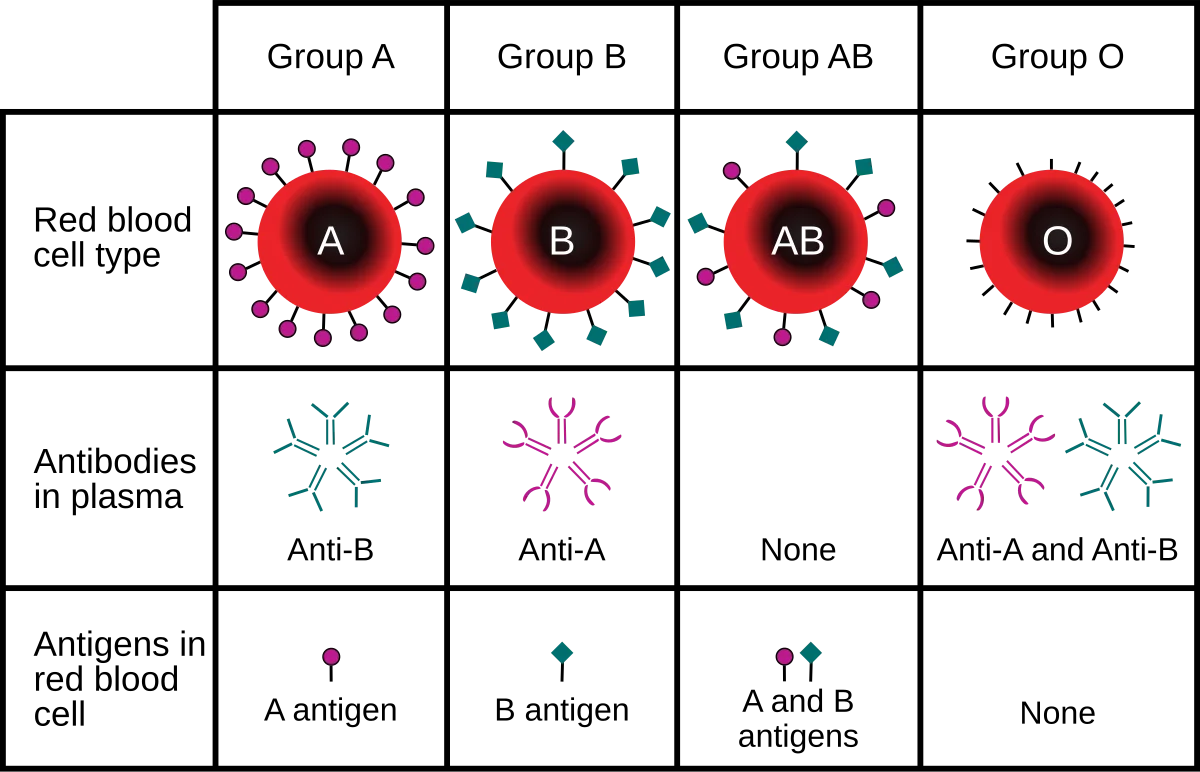
In codominance, both alleles are fully expressed simultaneously in the heterozygote. There is no blending - both phenotypes appear side by side.
The most important example for the MCAT is the ABO blood type system:
| Genotype | Antigens on RBCs | Blood Type | Antibodies in Plasma |
|---|---|---|---|
| or i | A antigen | Type A | Anti-B |
| or i | B antigen | Type B | Anti-A |
| Both A and B antigens | Type AB | Neither | |
| ii | No antigens | Type O | Both Anti-A and Anti-B |
The and alleles are codominant with each other - a person with genotype expresses both A and B antigens. Both and are dominant over i, which produces no antigen.
This system also illustrates multiple alleles - there are three possible alleles (, , i) in the population, though any individual can only carry two.
Epistasis
Epistasis occurs when one gene controls or masks the expression of a different gene at a separate locus. The gene doing the masking is called the epistatic gene; the gene being masked is the hypostatic gene.
A classic example is coat color in Labrador retrievers:
- Gene E/e controls whether pigment is deposited at all
- Gene B/b determines whether the pigment is black or brown
- ee dogs are yellow regardless of their B genotype - the E gene is epistatic to B
If you cross two EeBb dogs, the expected 9:3:3:1 ratio becomes 9:3:4 because the 3 + 1 (both ee groups) are combined into a single yellow phenotype.
Polygenic Inheritance
Some traits are controlled by multiple genes, each contributing a small additive effect. These traits show a continuous distribution (bell curve) rather than distinct categories.
Examples: skin color, height, eye color, blood pressure.
Because many genes contribute, polygenic traits are strongly influenced by environmental factors. Height is polygenic, but nutrition also plays a major role - this is the nature vs. nurture interaction.
Pleiotropy
Pleiotropy is the opposite of polygenic inheritance: one gene influences multiple, seemingly unrelated traits.
The best MCAT example is sickle cell disease. A single point mutation in the hemoglobin gene causes:
- Sickle-shaped red blood cells
- Anemia
- Organ damage from blocked capillaries
- Resistance to malaria (in heterozygotes)
One gene, many phenotypic effects.
Penetrance and Expressivity
These two concepts describe how consistently a genotype produces its expected phenotype:
Penetrance = the percentage of individuals with a given genotype who actually show the phenotype.
- Complete penetrance (100%): Everyone with the genotype shows the phenotype (e.g., Huntington’s disease - if you carry the expanded repeat, you will develop symptoms)
- Incomplete penetrance: Not everyone with the genotype shows the phenotype (e.g., BRCA1 mutations increase breast cancer risk but not all carriers develop cancer)
Expressivity = the degree to which a phenotype is expressed among individuals who do show it.
- Constant expressivity: Everyone who expresses the trait shows it the same way
- Variable expressivity: The severity differs between individuals (e.g., neurofibromatosis type 1 - some patients have mild skin spots, others have debilitating tumors)
Genomic Imprinting
In imprinting, only the allele from one parent is expressed; the other is chemically silenced (methylated) during gamete formation. So phenotype depends on which parent contributed which allele, not just the genotype itself.
If the active copy is deleted or mutated, the silenced copy cannot compensate. Prader-Willi syndrome results from loss of the paternal copy of a region on chromosome 15; Angelman syndrome results from loss of the maternal copy of the same region. Same DNA region, different phenotypes, based entirely on parental origin.
Mitochondrial Inheritance
Not all genes are in the nucleus. Mitochondria contain their own circular DNA (mtDNA), which is inherited exclusively from the mother. Sperm contribute essentially no mitochondria at fertilization.
Key features of mitochondrial inheritance:
- Affected mothers pass the trait to all children (sons and daughters)
- Affected fathers pass the trait to no children
- There is no carrier state - you either have the mutation or you do not
- mtDNA does not follow dominant/recessive rules